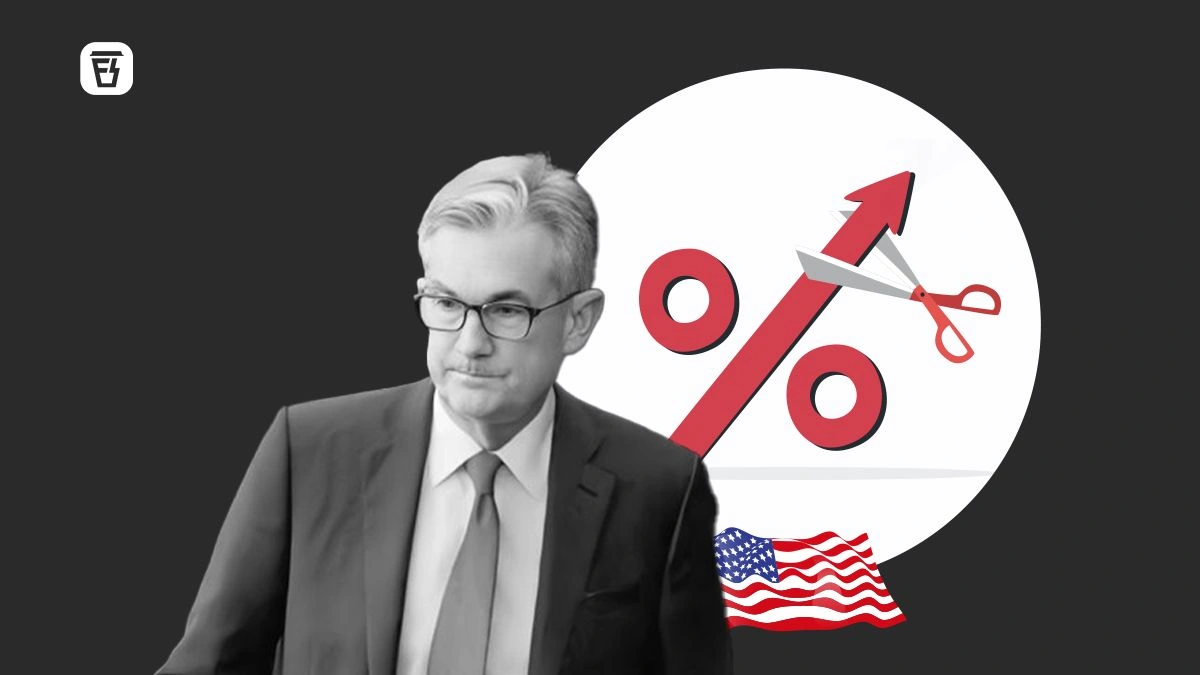
Okay, folks, let’s talk about something that affects every single one of us, from the chai-wallah at the corner to the techie in Bangalore: the Federal Reserve’s latest rate cut . Yes, the Fed, that mysterious entity across the ocean, has decided to lower interest rates by 0.25%. Now, you might be thinking, “So what?” But here’s the thing: this seemingly small change has ripples that extend all the way to your wallet. Let’s dive into the “why” behind this decision and, more importantly, what it means for you in India.
Why the Rate Cut? Decoding the Fed’s Move
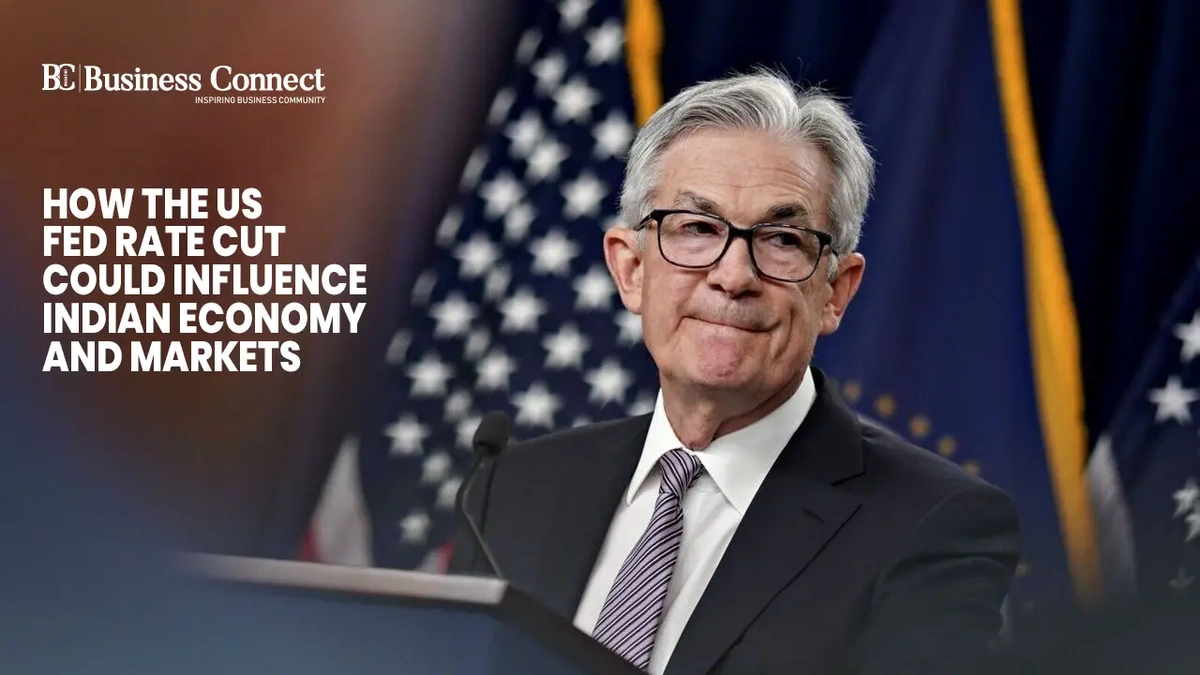
The official reason? A weak job market and rising unemployment in the US. But let’s be honest, there’s usually more to the story than what’s on the surface. The Fed’s mandate is to maintain price stability (keep inflation in check) and maximize employment. When they see signs of economic slowdown – like fewer jobs being created or more people out of work – they often use monetary policy tools to stimulate the economy. One of those tools is lowering the federal funds rate , which is the interest rate at which commercial banks lend reserves to each other overnight. This, in turn, influences other interest rates throughout the economy.
But here’s where it gets interesting. Some analysts believe there are other factors at play. Global economic uncertainty, trade tensions, and even political considerations can influence the Fed’s decisions. What fascinates me is how interconnected the global economy is, and how a decision made in Washington D.C. can affect interest rates on loans in Mumbai. The ripple effect is real, and it’s important to understand how it works.
How This Affects You in India | The Domino Effect
So, how does a US interest rate cut affect someone living in India? Well, indirectly, but significantly. Here’s a breakdown:
- Impact on the Rupee: A US rate cut can weaken the dollar, potentially strengthening the rupee. A stronger rupee makes imports cheaper (good for Indian businesses buying raw materials from abroad) but can make Indian exports more expensive (not so good for companies relying on exports).
- Foreign Investment Flows: Lower interest rates in the US might encourage investors to look for higher returns in emerging markets like India. This influx of foreign capital can boost the Indian stock market and economy.
- Global Growth: A healthy US economy is good for the global economy as a whole. If the rate cut helps stimulate growth in the US, it can lead to increased demand for Indian goods and services.
Of course, these are just potential effects. The actual impact will depend on a variety of factors, including the Indian government’s policies, global economic conditions, and investor sentiment.
The Bigger Picture | Long-Term Economic Trends
This rate cut isn’t just a one-off event; it’s part of a larger trend. For years, interest rates have been at historically low levels around the world. This is partly due to central banks trying to combat slow economic growth and inflation. But low rates also have their downsides. They can encourage excessive borrowing, inflate asset bubbles, and make it harder for savers to earn a decent return on their money. The question is, how long can this low-rate environment last? And what will happen when rates eventually start to rise?
Let me rephrase that for clarity: We’re in uncharted territory. No one really knows what the long-term consequences of these policies will be. But it’s crucial for us to stay informed and understand the potential risks and opportunities. According to recent reports, there is a potential risk in the government bond market if rates are increased.
Navigating the Uncertainty | What You Can Do
So, what should you do with all this information? Here’s the thing: the best approach is to focus on what you can control. Don’t try to time the market or make speculative bets based on the latest headlines. Instead, focus on building a diversified investment portfolio, managing your debt responsibly, and saving for the future. A common mistake I see people make is panicking and making rash decisions based on short-term market fluctuations. Stay calm, stay informed, and stick to your long-term financial plan.
The employment rate is directly linked to the economic outlook of the country. The current economic situation is uncertain. Make sure to have an emergency fund of liquid assets.
Rate Cut | Impact on Indian Stock Market
A cut in prime interest rate often leads to increased liquidity in the market. This is because borrowing becomes cheaper, encouraging businesses to invest more and consumers to spend more. As a result, companies may experience higher earnings, which can drive up their stock prices. Additionally, lower interest rates can make bonds less attractive compared to stocks, prompting investors to shift their investments from bonds to stocks, further boosting the stock market.
FAQ Section
Will this rate cut affect my home loan EMI?
Potentially, yes. If your home loan is linked to a benchmark rate that is sensitive to changes in the Fed funds rate, you might see a slight decrease in your EMI. However, the actual impact will depend on how your bank responds to the rate cut.
Should I invest more in the stock market now?
It’s tempting to jump into the market when you see positive news, but it’s always best to be cautious. Consider consulting a financial advisor to determine the best course of action based on your individual circumstances and risk tolerance.
What if I’m planning to invest in US stocks?
A weaker dollar could make US stocks more expensive for Indian investors. Keep this in mind when making your investment decisions. Also, factor in the exchange rate fluctuations .
Is a rate cut always a good thing?
Not necessarily. While it can stimulate economic growth, it can also lead to inflation and asset bubbles. It’s a balancing act for central banks.
The one thing you absolutely must remember is that the global economy is complex and interconnected. This recent rate cut by the Federal Reserve is a reminder that events across the world can have a direct impact on your financial well-being. So, stay informed, be prepared, and don’t be afraid to ask questions.



Leave feedback about this