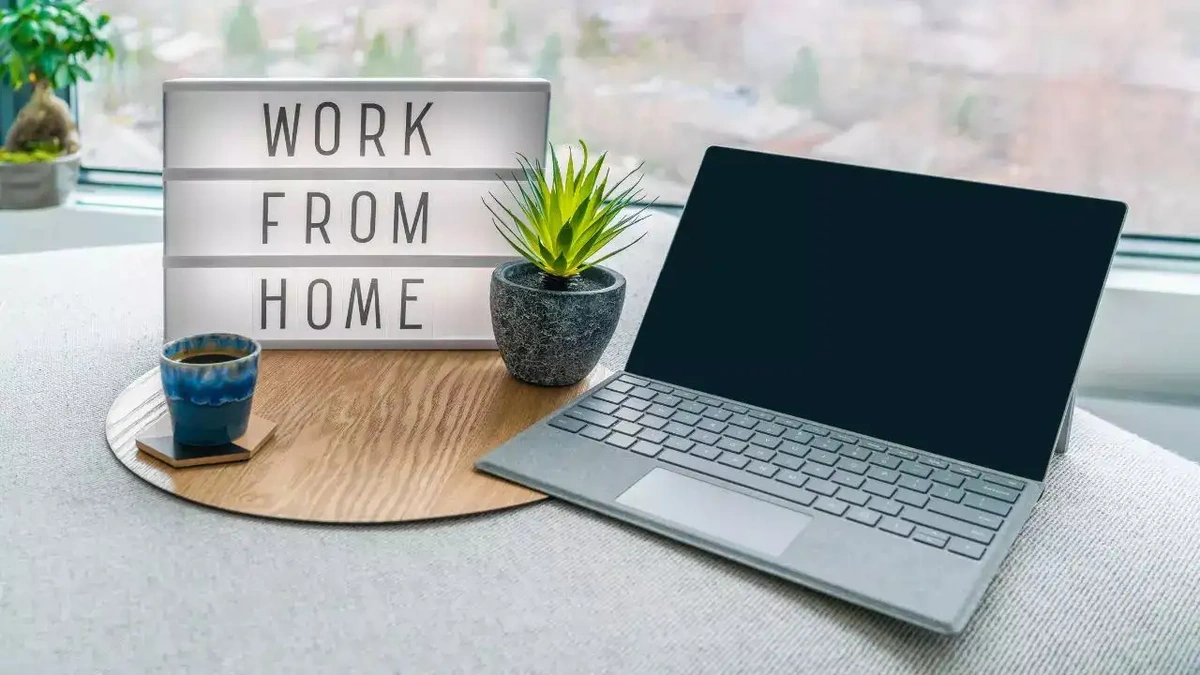
Jamie Dimon, the CEO of JPMorgan Chase, is known for his strong opinions. But here’s the thing: his recent push to get employees back into the office, citing Steve Jobs as inspiration, has sparked a huge debate, especially for those of us who’ve embraced the work from home lifestyle. What’s behind this move? Is it just old-school thinking, or is there something more to it? And more importantly, what does it mean for the future of remote work in India?
The “Why” Behind the Push | More Than Just Nostalgia
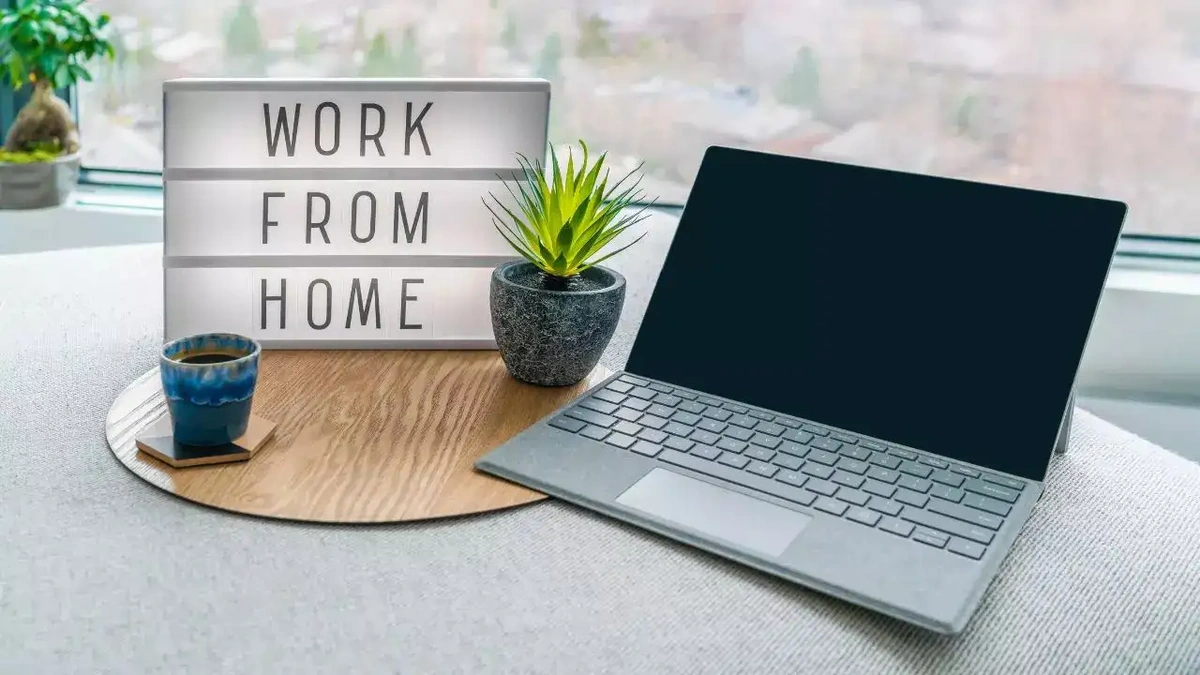
Let’s be honest, Dimon isn’t just missing the water cooler chats. He’s likely worried about things like collaboration, innovation, and the overall company culture. He probably believes and many CEOs do that these things thrive best when people are physically together. It’s the serendipitous conversations, the quick brainstorming sessions, the unspoken cues you pick up in person. These are harder to replicate on Zoom, aren’t they?
But there’s also the control factor. Some leaders simply feel more in control when they can see their employees working. This isn’t necessarily a bad thing; it can be about ensuring accountability and productivity. However, it also reveals a certain level of distrust, doesn’t it? A feeling that people working from their couch are inherently less productive.
According to a recent Wall Street Journal article (WSJ), Dimon has been a long-time proponent of in-person work, viewing it as crucial for mentorship and team cohesion. He’s not alone. Many large corporations are grappling with the same dilemma: How to balance the benefits of remote teams with the perceived advantages of a traditional office setting.
The Steve Jobs Connection | Innovation and Serendipity
The Steve Jobs reference is interesting. Jobs famously designed Pixar’s headquarters to encourage accidental encounters. The idea was that by forcing people from different departments to cross paths, it would spark new ideas and collaborations. The central atrium and strategically placed mailboxes were all designed with this in mind.
Dimon likely sees a similar value in having people physically present. He might believe that the spontaneous interactions and cross-pollination of ideas are essential for JPMorgan to maintain its competitive edge. He may envision that employees will be able to have an in person meeting that increases creativity.
What fascinates me is whether this philosophy still holds true in today’s world. We have Slack, Zoom, and countless other tools that facilitate communication and collaboration. Can’t we replicate, or even improve upon, the serendipitous encounters of a physical office in a digital environment? That’s the million-dollar question, isn’t it?
The Indian Perspective | A Different Reality
India’s context adds another layer of complexity. Unlike developed countries with robust infrastructure, many Indian cities struggle with traffic congestion, pollution, and long commute times. Commuting costs and time wasted in transit can significantly impact an employee’s well-being and productivity. The rise of hybrid models is becoming an answer to this need.
For many Indian professionals, work from home has been a game-changer. It’s provided flexibility, reduced stress, and allowed them to spend more time with their families. It’s also opened up opportunities for people in smaller towns and cities to work for global companies.
What I initially thought was straightforward is not. Forcing a return to the office without considering these factors could lead to employee dissatisfaction and attrition. Companies in India need to find a balance that works for both the business and its employees. Maybe looking at companies like RajRojgar is the answer?
Finding the Right Balance | Hybrid Models and Employee Choice
The future is likely hybrid. Companies that offer employees a choice the option to work from home, from the office, or a combination of both are more likely to attract and retain top talent. This requires a shift in mindset, a focus on outcomes rather than inputs. It requires building trust and empowering employees to manage their time and work effectively, regardless of location.
A common mistake I see companies make is implementing a one-size-fits-all approach. What works for one team may not work for another. It’s crucial to have open conversations with employees, understand their needs, and tailor policies accordingly. Telecommuting and work from home should be considered for employee satisfaction.
This isn’t just about employee happiness; it’s about business success. Companies that embrace flexibility and empower their employees are more likely to be innovative, productive, and competitive.
The Long-Term Impact | Redefining the Workplace
Ultimately, the debate around return to office is about redefining the workplace. It’s about questioning traditional assumptions and exploring new ways of working. It’s about creating a more inclusive, equitable, and sustainable future.
As technology continues to evolve, the lines between the physical and digital worlds will blur even further. The companies that thrive will be those that can adapt to this changing landscape, embrace flexibility, and empower their employees to do their best work, wherever they are.
FAQ Section
What if I prefer working from home full-time?
Many companies are now offering permanent remote work options. Discuss this with your manager and HR department. Highlight the benefits of your remote setup, such as increased productivity and reduced commute stress.
How can I stay connected with my team while working remotely?
Utilize communication tools like Slack, Zoom, and Microsoft Teams. Schedule regular virtual meetings and check-ins to stay in touch with your colleagues. Actively participate in online discussions and social activities.
What are some tips for staying productive while working from home?
Create a dedicated workspace, set clear boundaries between work and personal life, and stick to a consistent schedule. Minimize distractions, take regular breaks, and prioritize tasks.
What are companies doing to attract employees back to the office?
Many companies are offering incentives like free lunches, on-site amenities, and team-building activities. They’re also redesigning office spaces to be more collaborative and engaging.
How can companies ensure fairness between remote and in-office employees?
Ensure that both groups have equal access to opportunities, resources, and information. Base performance evaluations on outcomes rather than location. Promote a culture of inclusivity and respect.
So, while Jamie Dimon’s perspective offers a glimpse into one side of the debate, the bigger picture is far more nuanced. The future of work is about finding the sweet spot a balance that leverages the best of both worlds, empowers employees, and drives sustainable business success. That’s the real challenge and the real opportunity.




Leave feedback about this