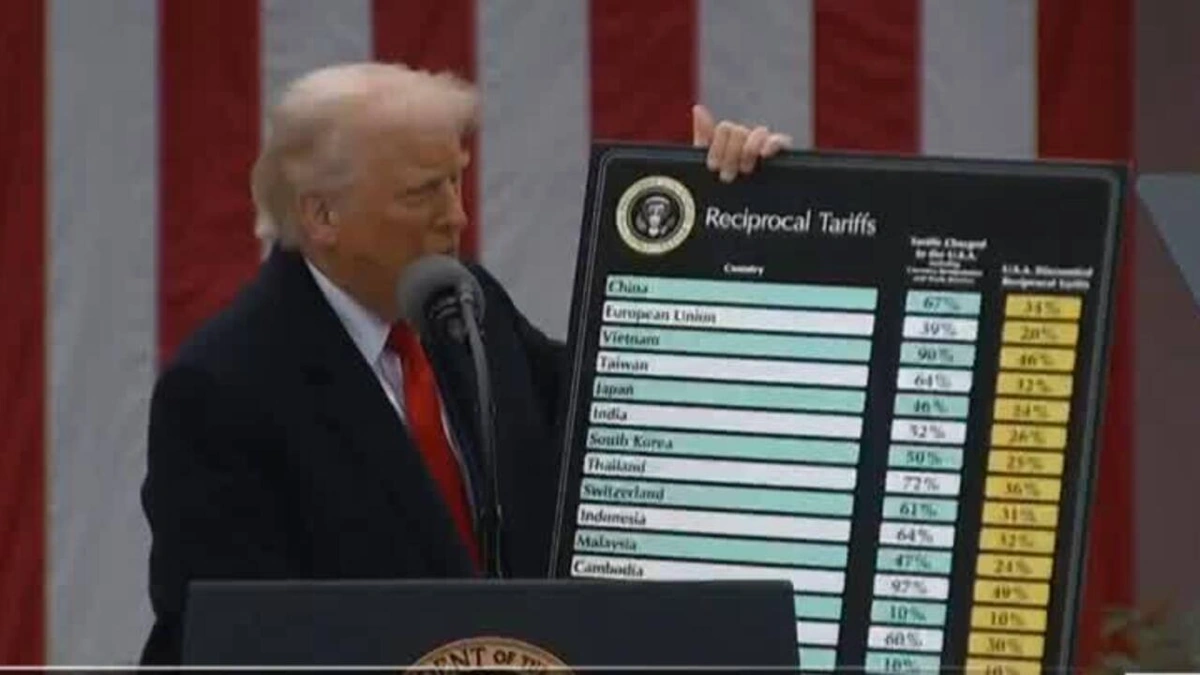
Okay, let’s be real. When you hear about Trump’s tariff plan , your eyes might glaze over. Tariffs? Sounds boring, right? But here’s the thing: these policies can have a surprisingly direct impact on your daily life, especially here in India. It’s not just about international trade; it’s about what you pay for everything from your phone to your clothes. This article is all about the “why” – why these trade decisions matter, and how they could ripple through the Indian economy. I initially thought it was straightforward, but the more I dug in, the more I realized how interconnected everything is.
The Tariff Tango: A Quick Step-by-Step
So, what exactly is a tariff? Simply put, it’s a tax on imported goods. Imagine a product made in China being sold in the US. Trump’s plan involved increasing these taxes, making those goods more expensive. Now, you might think, “Okay, US problem.” But globalization means everything is connected. A tariff on steel in the U.S., for example, can affect the availability and cost of steel used in Indian manufacturing.
Here’s the tango: Trump imposes tariffs, other countries retaliate with their own tariffs, and suddenly you’ve got a trade war. The immediate impact? Increased costs for businesses that rely on imported materials, which then get passed on to consumers – that’s you and me. And that retaliatory tariff? It can limit export of Indian goods to other countries.
The ‘America First’ Domino Effect
The core idea behind Trump’s tariffs was “America First.” The goal was to protect American jobs and industries by making foreign goods less competitive. Sounds good in theory, but economics is rarely that simple. Increased tariffs can lead to higher prices for raw materials, hurting American manufacturers who rely on those imports. It’s a bit like trying to fix a leaky faucet with a sledgehammer.
So, how does this affect India? Well, for starters, global trade imbalances get amplified. If the U.S. buys less from China, China might look to other markets – including India – to sell its goods. This could lead to increased competition for Indian businesses, especially in sectors like electronics and textiles. But, there could be upsides to this too. If the US is buying less from China, they will need to buy from someone. India could be poised to become a larger exporter of goods.
The Impact on Indian Consumers and Businesses
Let’s get down to brass tacks: how does this affect your wallet? If Indian companies have to pay more for imported components because of global tariff increases, they’ll likely pass those costs on to you. This means you might see slightly higher prices for electronics, appliances, and even some food items. A common mistake I see people make is thinking these changes are immediate. The effects often take months, even years, to fully materialize.
What fascinates me is the ripple effect. For example, higher steel prices (due to US tariffs on steel imports) can affect the construction industry in India, leading to higher housing costs. And let’s not forget about the IT sector. Trump’s trade policies could impact the cost of hardware and software, potentially affecting the competitiveness of Indian IT companies.
Navigating the Tariff Terrain: What India Can Do
So, what can India do to navigate this tricky terrain? Diversification is key. Instead of relying heavily on a few export markets, India needs to explore new opportunities in Southeast Asia, Africa, and Latin America. Think of it as not putting all your eggs in one basket.
And, here’s where things get interesting: India could also use this as an opportunity to strengthen its own manufacturing sector. By investing in infrastructure, technology, and skills development, India can become a more attractive alternative for companies looking to move production out of China. This could create jobs and boost the Indian economy in the long run. One thing you absolutely must double-check regarding any governmental policy shift is credible sources. These sources will help you understand the long term impacts.
But, let’s be honest, it’s not all sunshine and roses. There are challenges. Indian companies need to improve their competitiveness in terms of quality, cost, and delivery. And, the government needs to create a more business-friendly environment by streamlining regulations and reducing red tape.
The Long Game: Beyond Short-Term Impacts
Ultimately, Trump’s tariff policies highlight the importance of a stable and predictable global trading system. Protectionism might offer short-term gains, but in the long run, it can harm everyone involved. The ideal scenario is for countries to work together to reduce trade barriers and create a level playing field. A common mistake I see people make is assuming these shifts are easily reversible. The impact of tariffs can have lasting effects.
Trade wars are bad for everyone. They disrupt supply chains, increase costs, and create uncertainty. The key is to find a balance between protecting domestic industries and promoting free trade. According to the latest reports, the full economic impact will take years to fully unfold.
So, the next time you hear about tariffs, don’t just tune out. Remember that these policies can have a real impact on your life, from the price of your phone to the availability of jobs. Stay informed, ask questions, and let your voice be heard.
FAQ About Trump’s Tariff Plan
What exactly is a tariff?
A tariff is a tax imposed by a government on imported goods. It increases the cost of these goods, making them more expensive for consumers and businesses.
How do tariffs affect Indian consumers?
Tariffs can lead to higher prices for imported goods and products that rely on imported components, impacting household budgets.
Can India benefit from trade tensions?
Yes, India can potentially benefit by attracting companies looking to diversify their supply chains and by increasing its exports to countries affected by the trade disputes .
What industries are most vulnerable?
Industries relying heavily on imported raw materials, such as electronics, manufacturing, and construction, are most vulnerable to the impact of tariffs .
What are some of the potential negative effects of retaliatory tariffs?
Retaliatory tariffs can limit Indian exports, impacting sectors like textiles, agriculture, and IT, potentially leading to job losses.
Are there industries that may benefit from the trade tensions?
Yes. Domestic industries can benefit from the increased tariffs on imports. The increased tariffs will make the domestic good more competitive.



Leave feedback about this