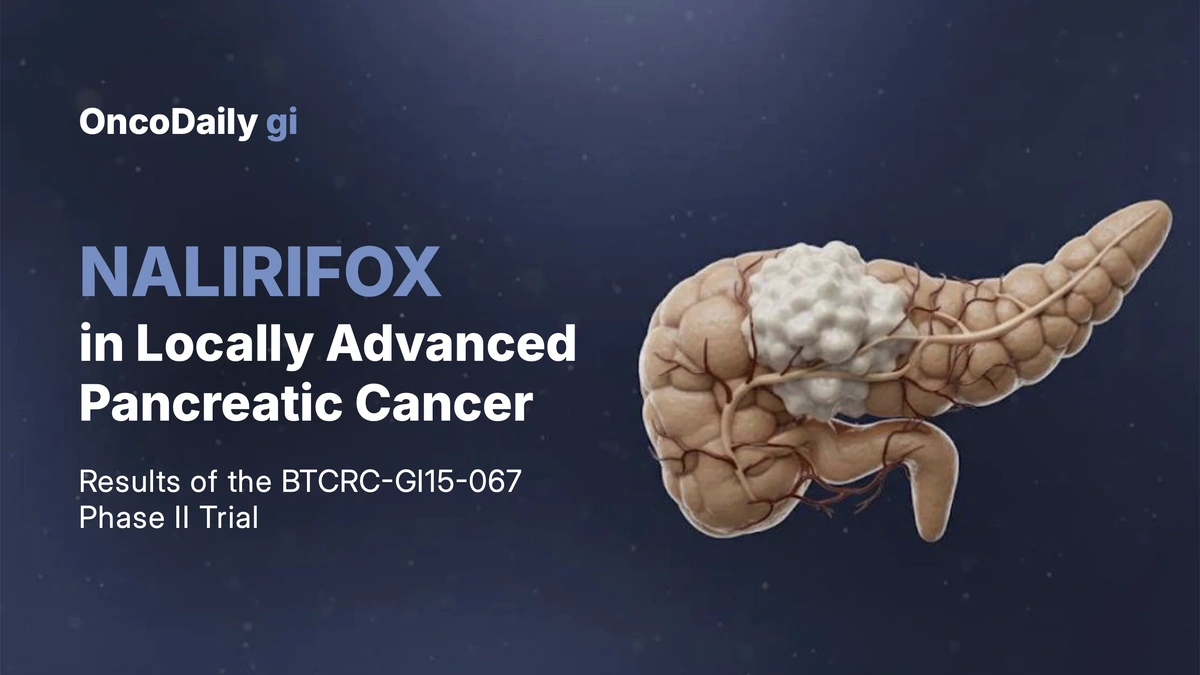
We all remember Steve Jobs. The black turtleneck, the reality distortion field, the revolutionary products. But behind the genius was a very human struggle – his battle with pancreatic cancer . It’s a story that touched millions, and one that continues to resonate, especially here in India where access to early diagnosis and treatment can be challenging. So, let’s not just rehash the news; let’s understand why this matters and how we can learn from it. This isn’t just about a celebrity; it’s about awareness, early detection, and fighting a tough disease.
What Made Steve Jobs’ Case So Unique?
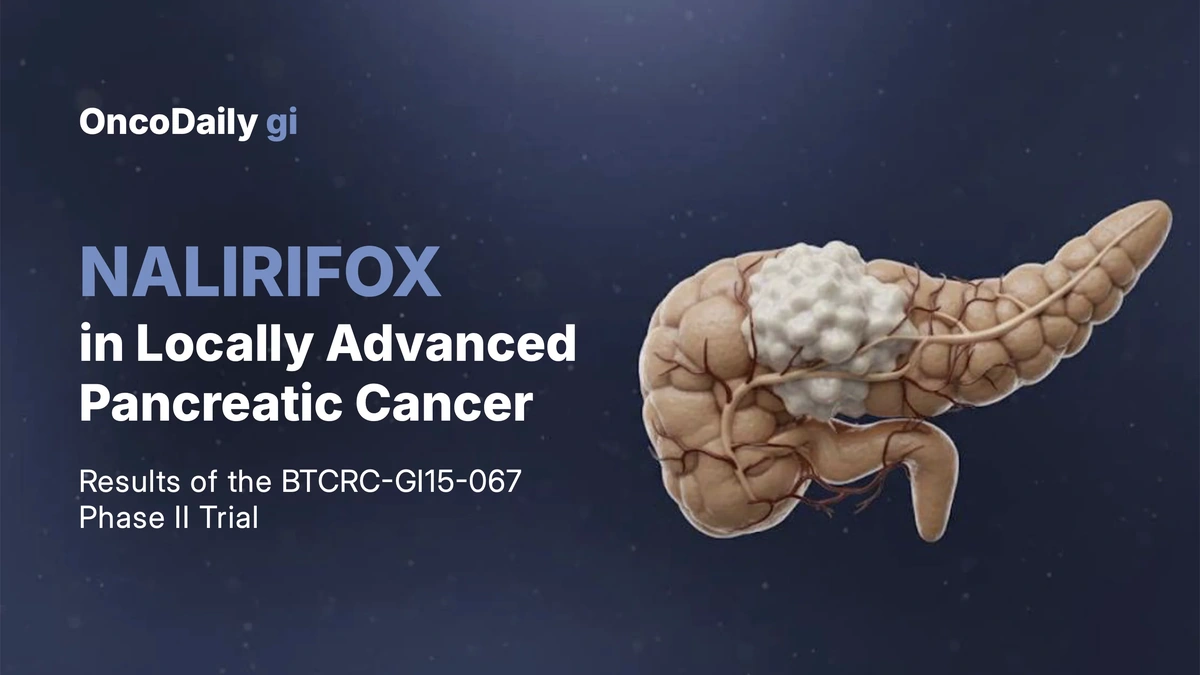
Here’s the thing: not all pancreatic cancers are created equal. Jobs had a rarer form called a pancreatic neuroendocrine tumor (PNET). These are slower-growing and have a better prognosis than the more common pancreatic adenocarcinoma. So, when we talk about Steve Jobs’ pancreatic cancer journey , it’s crucial to understand this distinction. This impacts everything from treatment options to survival rates. Did you know that PNETs only account for about 5% of all pancreatic cancer cases? That already sets his case apart.
And, his choices, while controversial, played a significant role. He initially opted for alternative medicine before finally undergoing surgery. The “why” behind this delay is complex, mired in personal beliefs and a distrust of conventional medicine. It’s easy to judge, but it highlights a crucial point: early, evidence-based intervention is often key in fighting cancer.
The Early Warning Signs | What to Look Out For
Okay, let’s get practical. What are the early signs of pancreatic cancer that you should be aware of? The tricky thing is, they can be vague and easily dismissed as something else. That’s what makes awareness so crucial. We are going to talk about signs such as jaundice, abdominal pain, and unexplained weight loss. But here’s what fascinates me: sometimes, subtle changes in digestion or bowel habits can be early indicators.
Often, the symptoms can mimic other conditions, leading to delays in diagnosis. According to research fromThe American Cancer Society, symptoms of pancreatic cancer depend on the location and size of the tumor.
Jaundice , that yellowing of the skin and eyes, is a common symptom, especially if the tumor is near the bile duct. Abdominal pain, often described as a dull ache that radiates to the back, is another red flag. Unexplained weight loss, fatigue, and changes in appetite should also raise concern. But remember, these symptoms don’t automatically mean cancer. It’s about being vigilant and consulting a doctor if you experience persistent or worsening symptoms. Learning more about Indian startups can give you more information.
Navigating the Diagnosis | A Guide for Patients and Families
So, what happens if you suspect something’s wrong? The diagnostic process typically involves imaging tests like CT scans, MRIs, and endoscopic ultrasounds. These help doctors visualize the pancreas and identify any abnormalities. A biopsy is usually needed to confirm the diagnosis. It is a procedure where a small tissue sample is taken for examination under a microscope.
Let me rephrase that for clarity: getting a diagnosis of pancreatic cancer can feel like the ground is shifting beneath your feet. It’s a terrifying moment, filled with uncertainty and fear. But it’s also the first step towards fighting back. Finding the right medical team is paramount. Look for oncologists experienced in treating pancreatic cancer and centers with multidisciplinary teams that include surgeons, radiation oncologists, and supportive care specialists.
Don’t be afraid to ask questions lots of them. Understand your treatment options, potential side effects, and the overall prognosis. Seek support from family, friends, and support groups. Sharing your experiences and connecting with others who understand can make a world of difference. It will allow you to navigate the journey together. You can even gain financial independence through Trump’s tariff plan .
The Role of Lifestyle and Prevention
Can we prevent pancreatic cancer ? While there’s no guaranteed way to avoid it, certain lifestyle factors can significantly reduce your risk. Smoking is a major culprit, so quitting is crucial. Maintaining a healthy weight, eating a balanced diet rich in fruits and vegetables, and limiting alcohol consumption are also important.
Here’s the thing: diabetes and chronic pancreatitis are also associated with an increased risk. Managing these conditions effectively can help lower your chances of developing pancreatic cancer . A common mistake I see people make is ignoring early warning signs and attributing them to stress or other minor ailments. Being proactive about your health and seeking regular checkups can make a big difference. Did you know that obesity and lack of physical activity can increase the risk factors?
What fascinates me is the potential role of genetics. If you have a family history of pancreatic cancer, talk to your doctor about genetic testing and screening options. While it can be scary to confront the possibility, knowledge is power. And, with that knowledge, you can make informed decisions about your health and take proactive steps to protect yourself.
Living with Pancreatic Cancer | Finding Hope and Support
Living with pancreatic cancer is undoubtedly challenging, but it’s not a death sentence. Advances in treatment are constantly being made, and there are many resources available to help patients and their families cope with the physical and emotional challenges. From chemotherapy and radiation therapy to targeted therapies and immunotherapy, there are various treatment options available, depending on the stage and type of cancer.
And, here’s the emotional angle: finding hope and support is crucial. Connect with other patients through support groups or online forums. Share your experiences, learn from others, and build a community of support. Consider seeking counseling or therapy to help cope with the emotional toll of cancer. Remember, you’re not alone, and there are people who care and want to help.
FAQ About Pancreatic Cancer
What are the primary risk factors for pancreatic cancer?
Major risk factors include smoking, obesity, diabetes, chronic pancreatitis, and a family history of pancreatic cancer.
Can pancreatic cancer be detected early?
Early detection is challenging, as symptoms are often vague. However, awareness of risk factors and symptoms, along with regular checkups, can help in early diagnosis.
What are the common treatment options for pancreatic cancer?
Treatment options vary depending on the stage and type of cancer but may include surgery, chemotherapy, radiation therapy, targeted therapy, and immunotherapy.
What is the survival rate for pancreatic cancer?
Survival rates vary widely depending on the stage at diagnosis and the type of cancer. Early detection and treatment can significantly improve outcomes.
Are there any lifestyle changes that can reduce the risk of pancreatic cancer?
Yes, quitting smoking, maintaining a healthy weight, eating a balanced diet, and limiting alcohol consumption can help reduce the risk.
What if I have a family history of pancreatic cancer?
Talk to your doctor about genetic testing and screening options to assess your risk and take proactive steps.
So, the next time you see a headline about pancreatic cancer , remember Steve Jobs. Remember his struggle, his choices, and the lessons we can learn from his journey. It’s a reminder to be vigilant about our health, to seek early diagnosis and treatment, and to support those affected by this devastating disease. Because, in the end, it’s not just about fighting cancer; it’s about living a full and meaningful life, even in the face of adversity.



Leave feedback about this