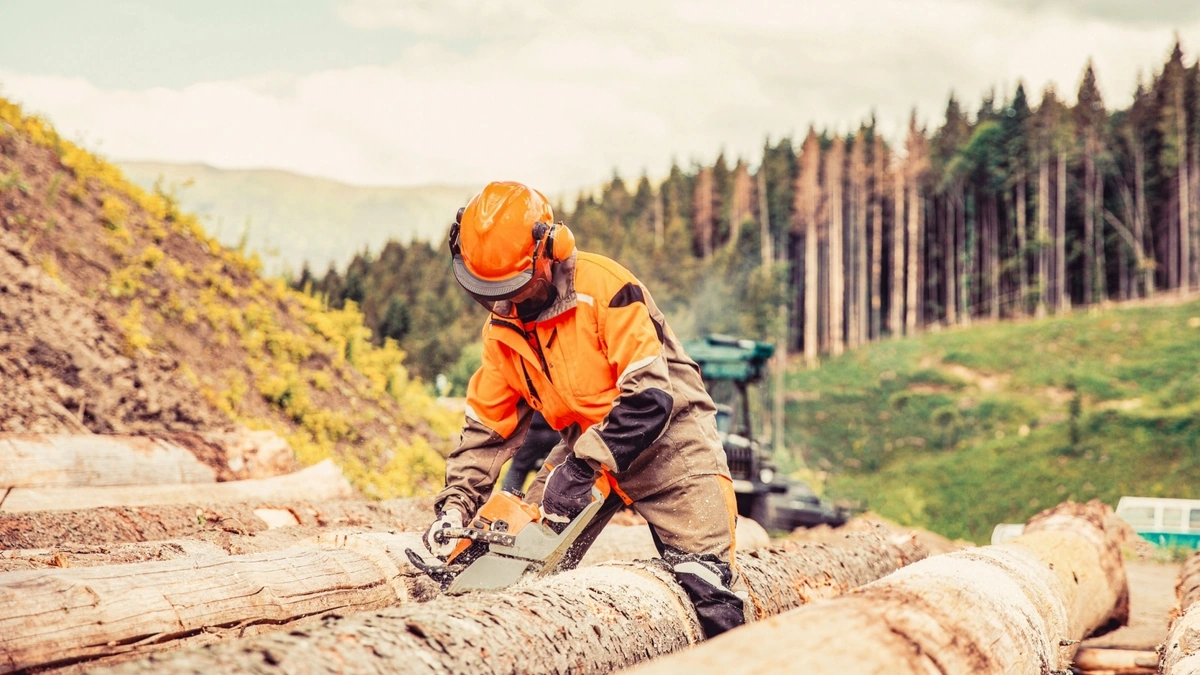
Ever wondered how your love for nature could actually build a nation? It’s not just about hugging trees (though, no judgment if you do!). Forestry jobs in India are a surprisingly powerful engine for economic growth and environmental sustainability. Let’s dive into why this sector is more crucial than ever, and how you can be a part of it. I initially thought of it as just cutting down trees or planting them. But I was wrong. There is so much more to it.
The Untapped Potential of Forestry in India
Here’s the thing: India’s forest cover is a treasure trove, but it’s also under immense pressure. From deforestation to climate change, the challenges are real. But so are the opportunities. Think about it: sustainable timber, medicinal plants, ecotourism, and carbon sequestration – all of these are part of the forestry sector’s vast potential. And that’s where leveraging natural resources comes in. And this is where the employment comes in. These jobs contribute to the gross domestic product (GDP). Did you know, the forestry sector contributes about 1.5% to India’s GDP?
What fascinates me is how these jobs are not just about preserving forests, but also about creating livelihoods for millions, especially in rural areas. Imagine being part of a project that helps local communities thrive while protecting biodiversity. That’s the impact we’re talking about. A common mistake I see people make is to think of forest conservation as separate from economic development. The reality is that they are deeply intertwined.
How Forestry Jobs Drive National Prosperity
So, how exactly do these jobs translate to national prosperity? It’s a multi-pronged approach. First, sustainable forestry practices ensure a steady supply of timber and other forest products, reducing our reliance on imports. This strengthens our economy and creates jobs in related industries. Next, think about the role of forests in mitigating climate change. Carbon sequestration is becoming a big deal, and forest management is at the heart of it. Companies and governments are now investing in forestry projects, turning them into revenue streams for local communities. Don’t underestimate the power of ecotourism. India’s forests are home to incredible biodiversity, attracting tourists from all over the world. This creates jobs in hospitality, guiding, and conservation, injecting much-needed revenue into local economies. Need more convincing? The government’s focus on afforestation and reforestation programs is creating a surge in demand for skilled forestry professionals. From forest rangers to researchers, the opportunities are vast and growing.
Speaking of government initiatives, the National Mission for a Green India is a game-changer. This initiative aims to increase India’s forest cover and improve the quality of existing forests. What does this mean for you? It means more forestry jobs in government sector and a greater emphasis on sustainable forest management practices. As per the guidelines mentioned in the mission document, community participation is key to the success of this initiative. This opens up opportunities for social forestry and community-based conservation projects. But there is more… AI and automation will also impact this industry.
Breaking Down the Different Types of Forestry Careers
Alright, let’s get practical. What kind of jobs are we actually talking about? Here’s a breakdown:
- Forest Rangers: The guardians of the forest, responsible for patrolling, enforcing regulations, and protecting wildlife.
- Forest Managers: Overseeing the sustainable management of forests, including planning, harvesting, and reforestation.
- Forest Researchers: Conducting research on forest ecosystems, biodiversity, and the impact of climate change.
- Wildlife Biologists: Studying and conserving wildlife populations in forest habitats.
- Environmental Consultants: Advising companies and governments on sustainable forestry practices and environmental impact assessments.
Now, here’s the thing. These are just a few examples. The forestry sector is incredibly diverse, with opportunities ranging from drone operators (yes, really!) to GIS specialists who map forest resources using cutting-edge technology. Remember, education and training are key. A bachelor’s degree in forestry or a related field is often the minimum requirement for many of these positions. But don’t let that discourage you. There are also vocational training programs and certificate courses that can get you started in specific areas of forestry.
Navigating the Path to a Forestry Career
So, you’re interested? Great! Here’s how to get started:
- Get Educated: Pursue a degree or diploma in forestry, environmental science, or a related field.
- Gain Experience: Volunteer or intern with forestry organizations, NGOs, or government agencies.
- Network: Attend forestry conferences, workshops, and seminars to connect with professionals in the field.
- Specialize: Focus on a specific area of forestry, such as sustainable timber management or wildlife conservation.
- Stay Updated: Keep up with the latest research, technologies, and policies in the forestry sector.
But, let’s be honest, finding a job can be tough. It’s all about networking, gaining practical experience, and showcasing your passion for the environment. Don’t be afraid to start small. A common mistake I see people make is waiting for the perfect job. The reality is that every experience, even a short-term internship, can help you build skills and make connections.
The Future of Forestry Jobs | Trends and Innovations
Let’s look into the future. What’s on the horizon for forestry jobs ? The trends are clear: sustainability, technology, and community engagement. The demand for sustainably sourced timber and forest products is growing, creating opportunities for forest managers and environmental consultants. Technology is transforming the forestry sector, with drones, remote sensing, and data analytics being used to monitor forests, manage resources, and detect illegal logging. And as previously mentioned, according to the National Mission for a Green India , community participation is becoming increasingly important, creating opportunities for social forestry and community-based conservation projects. Looking for that perfect opportunity? Check out related jobs here . The future of forestry is bright, and with the right skills and passion, you can be a part of it.
FAQ About Forestry Jobs
Frequently Asked Questions
What qualifications do I need for forestry jobs?
A bachelor’s degree in forestry, environmental science, or a related field is often required, but vocational training programs and certificate courses can also be beneficial.
What skills are important for success in forestry?
Key skills include knowledge of forest ecosystems, sustainable forest management practices, data analysis, and communication.
How can I gain experience in forestry?
Volunteer or intern with forestry organizations, NGOs, or government agencies.
What are the career prospects in forestry?
Career prospects are generally good, with opportunities in government, private sector, and NGOs.
How does climate change impact the forestry sector?
Climate change poses significant challenges, but also creates opportunities for carbon sequestration and adaptation strategies.
What I realized is this: Forestry jobs are not just about trees; they’re about people, communities, and the future of our planet. By leveraging natural resources sustainably, we can create a prosperous and resilient India. It’s a challenge, but it’s also an incredible opportunity. So, are you ready to roll up your sleeves and get your hands dirty? I know I am!




Leave feedback about this