
Here’s the thing: artificial intelligence (AI) isn’t some distant sci-fi fantasy anymore. It’s here, it’s now, and it’s rapidly reshaping pretty much everything, especially the future of work. And in India, Gen Z – that’s those born roughly between 1997 and 2012 – are smack-dab in the middle of this transformation. Now, what’s truly fascinating is the contrast: They’re super enthusiastic about AI’s potential, but they’re also seriously worried about what it means for their job prospects. Let’s dive into why this is happening.
The AI Buzz | What’s Got Gen Z So Excited?
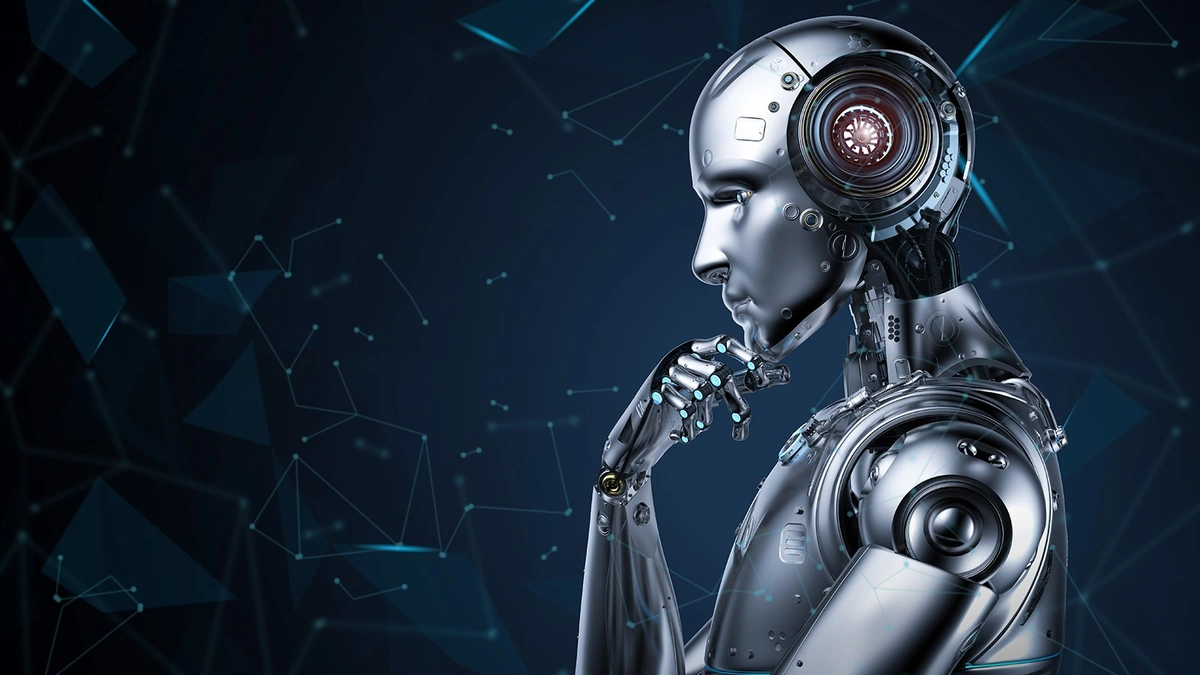
Gen Z has grown up with technology woven into the fabric of their lives. They haven’t known a world without the internet, smartphones, or social media. So, naturally, they’re more open to embracing new tech like AI. They see the possibilities – the chance to automate mundane tasks, to learn new skills faster, and to create innovative solutions to complex problems. A recent study shows that a significant portion of Gen Z in India believes that AI and machine learning will create new job opportunities. They envision AI as a tool that can enhance their capabilities and make them more efficient. But, and this is a big ‘but’, there’s a shadow hanging over this optimism. They see AI as tools for productivity, tools that will take away the boring parts of their job and allow them to focus on creative processes. Also, Education Updates are bringing AI to classrooms for better reach.
The Job Loss Jitters | Is AI Coming for Their Careers?
Let’s be honest, the fear of job displacement is real. It’s not just Gen Z; people across all age groups are wondering if AI will render their skills obsolete. The difference is that Gen Z is just starting their careers, so the stakes feel particularly high. They are hearing the horror stories, even though these are still in the minority, and are getting a bad impression. Automation, powered by AI, is already transforming industries. Tasks that were once performed by humans are now being done by machines – faster, cheaper, and often more accurately. This is where the anxiety kicks in. Which jobs will be automated? Will there be enough new jobs created to replace the ones lost? And will Gen Z have the skills needed to thrive in this new landscape? What fascinates me is that Gen Z also believes that AI adoption will significantly alter the landscape of higher education, necessitating a shift towards more practical, skill-based learning to stay relevant in the job market.
Bridging the Gap | Skills for the AI-Powered Future
So, how do we navigate this tension between enthusiasm and fear? The answer lies in skills. Gen Z needs to equip themselves with the skills that will be in demand in the AI-driven economy. This means focusing on areas like:
- Data analysis: Being able to interpret and analyze data is crucial in a world increasingly driven by algorithms.
- AI ethics: As AI becomes more prevalent, understanding the ethical implications becomes essential.
- Creative thinking: AI can automate many tasks, but it can’t replace human creativity and innovation.
- Emotional intelligence: Similarly, AI can’t replicate empathy and social skills, which are vital in many professions.
What fascinates me is the role of education in all of this. Traditional education systems need to adapt to the changing demands of the job market. They need to move beyond rote learning and focus on developing these critical skills. Online courses, bootcamps, and mentorship programs can also play a crucial role in helping Gen Z acquire the skills they need. For example, understanding the impact of AI driven automation on the Indian job market and proactively seeking training in new technologies are key strategies.
The Role of Companies and Government
It’s not just up to Gen Z to adapt. Companies and the government also have a responsibility to ensure a smooth transition to an AI-powered future. Companies need to invest in training and upskilling programs for their employees. They need to be transparent about how AI is being used and how it will impact jobs. The government needs to create policies that support innovation while also protecting workers. This could include things like unemployment benefits, retraining programs, and investments in education. According to data from reputable sources, India has the potential to become a global hub for AI technology and innovation. Also, to stay competitive, Gen Z will need to continually learn and adapt.
But what if you’re feeling overwhelmed? Let me rephrase that for clarity: It’s perfectly normal to feel anxious about the future of work in the face of such rapid technological change. But remember, AI is a tool, and like any tool, it can be used for good or ill. It’s up to us to shape its development and ensure that it benefits everyone, not just a select few. This is where the importance of understanding ethical AI comes in.
Gen Z’s Advantage | Adaptability and a Digital Mindset
Gen Z has a unique advantage in all of this: they’re digital natives. They’re comfortable with technology, they’re adaptable, and they’re eager to learn. This makes them well-positioned to thrive in the AI-powered future. They just need to channel their enthusiasm, address their fears, and equip themselves with the right skills. One way to boost their opportunities is to leverage the AI job market by pursuing specialized certifications and continuously updating their skills, which can significantly enhance their appeal to employers.
Here’s the thing – This is not about replacing humans with machines. This is about humans and machines working together to create a better future. Gen Z has the potential to lead the way. Stay updated with new opportunities!
FAQ Section
Frequently Asked Questions
What if I don’t have a technical background? Can I still work with AI?
Absolutely! Many roles in the AI field require skills like communication, ethics, project management, and creativity – all of which are valuable regardless of your technical expertise.
How can I start learning about AI if I’m a complete beginner?
There are tons of free online resources like courses on Coursera, edX, and YouTube. Start with the basics and gradually build your knowledge.
What are some specific job roles that are likely to be in demand in the AI field?
Think about roles like AI trainers, data scientists, AI ethicists, AI-powered customer service representatives, and AI marketing specialists.
Is it too late to switch careers and focus on AI?
Not at all! Many people are successfully transitioning into AI-related fields from other industries. It’s all about having the right mindset and willingness to learn.
How can I stay updated on the latest AI trends and developments?
Follow reputable AI blogs, attend webinars and conferences, and join online communities to stay informed.
Will AI completely replace all human jobs?
It’s unlikely. AI will automate many tasks, but it will also create new opportunities and require uniquely human skills like creativity, critical thinking, and emotional intelligence.



Leave feedback about this