
Hold on to your hats, folks, because the latest Challenger report is a bit of a rollercoaster. October saw a staggering job cuts surge, hitting 153,074. Now, before you start spiraling into doom and gloom, let’s dissect what’s really going on here. It’s not just about numbers; it’s about understanding the why behind them.
The Cost-Cutting Conundrum | More Than Meets the Eye
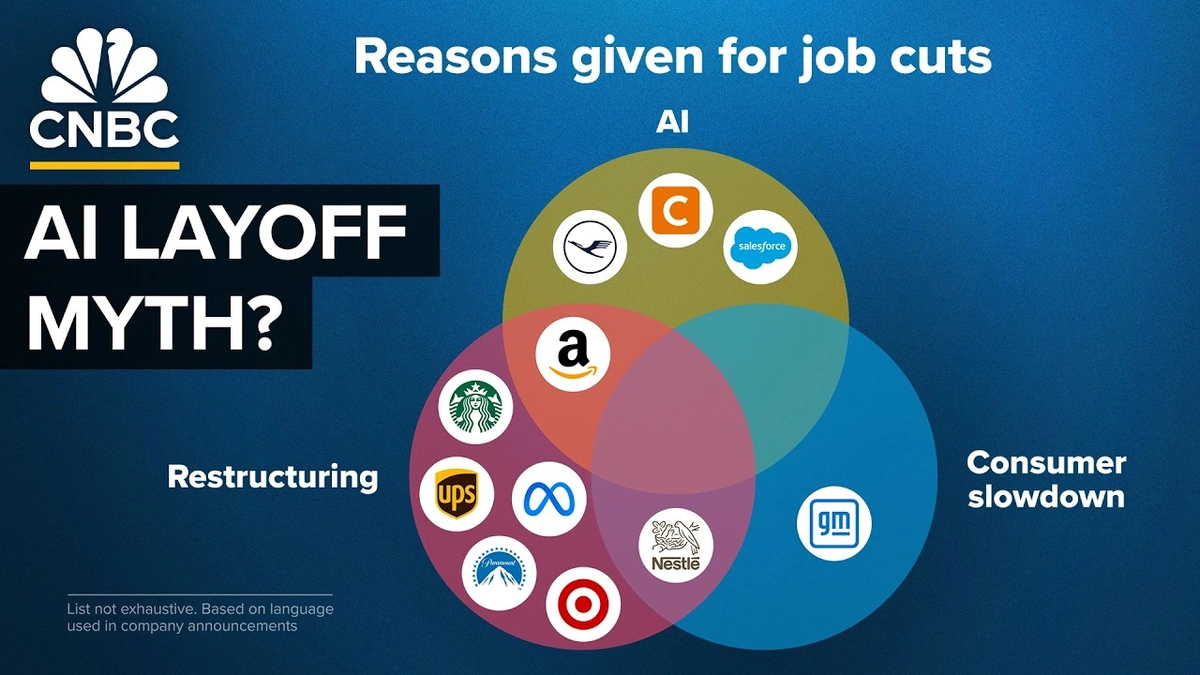
So, what’s driving this wave of layoffs ? The obvious answer, and the one splashed across headlines, is cost-cutting measures . Companies, especially in the tech sector, are under pressure to show profitability after years of explosive growth. Interest rates are higher, investor patience is wearing thin, and suddenly, those ambitious expansion plans look a little less shiny. But here’s the thing – it’s not just about trimming the fat. It’s a strategic pivot.
Think of it like this: imagine a small business owner who realizes they’ve been spending too much on fancy office supplies. They could cut back a little here and there, but a smarter approach might be to streamline their entire ordering system, negotiate better deals with suppliers, and invest in software that automates some of the purchasing tasks. That’s what’s happening on a larger scale with these companies. They’re not just firing people willy-nilly; they’re restructuring, re-evaluating, and trying to build leaner, more efficient operations for the long haul. According to a recent report by the Bureau of Labor Statistics , many companies are citing restructuring as a primary reason for job cuts.
The AI Factor | Friend or Foe?
Ah, artificial intelligence . The buzzword that’s both exciting and terrifying. It’s no secret that AI is playing an increasingly significant role in the job market, and this Challenger report confirms it. But are robots really stealing all our jobs? Not exactly. It’s more nuanced than that.
What fascinates me is how AI is reshaping job roles, not just eliminating them outright. For example, think about customer service. AI-powered chatbots can handle a large volume of simple inquiries, freeing up human agents to focus on more complex and sensitive issues. This means companies need fewer entry-level customer service reps, but they also need more highly skilled specialists who can train the AI, manage its performance, and handle escalations. The skills gap is widening, and that’s something we need to address.
And that’s where upskilling and reskilling come in. Individuals need to proactively learn new skills that complement AI, such as data analysis, machine learning, and AI ethics. Navigating the courses after graduation is important in today’s world. The good news is, there are tons of online resources and training programs available. The key is to embrace lifelong learning and adapt to the changing demands of the workplace.
India’s Perspective | Navigating the Global Headwinds
So, how does all this affect us here in India? Well, we’re not immune to global economic trends. Many Indian companies have strong ties to the US and European markets, and if those economies slow down, it will inevitably impact us. We can see that global economy is impacting local jobs. The IT sector, which is a major employer in India, is particularly vulnerable to these headwinds.
However, there are also reasons to be optimistic. India’s domestic market is booming, and we have a young, dynamic workforce. Our government is investing heavily in infrastructure and promoting entrepreneurship. Plus, India is becoming a major hub for AI development, which could create new job opportunities in the long run.
Let’s be honest, the economic outlook is uncertain, and there will likely be more future job losses in the coming months. But by understanding the underlying forces at play and taking proactive steps to adapt, we can navigate these challenges and build a brighter future for ourselves and our country. It might be time to consider a new IRCTC business idea.
The Silver Lining | Opportunity in Disruption
Okay, so job cuts are never a good thing, let’s be clear. But sometimes, disruption creates opportunity. Think about it: when a big company lays off a bunch of people, it frees up talent for smaller, more innovative startups. It forces individuals to re-evaluate their career paths and pursue their passions. It accelerates the adoption of new technologies.
A common mistake I see people make is viewing job displacement as a personal failure. Instead, try to see it as a chance to reinvent yourself. Update your skills, network with new people, and explore unconventional career paths. You might be surprised at what you discover. As per a recent article from Forbes, many laid-off workers find better opportunities after taking time to re-evaluate their skills.
FAQ | Your Burning Questions Answered
Frequently Asked Questions
What industries are being most affected by these job cuts?
The tech sector, retail, and manufacturing are seeing the biggest impact, but job cuts are happening across various industries.
Is AI really to blame for all these layoffs?
AI is a factor, but it’s not the only one. Economic slowdown, restructuring, and changing consumer behavior are also playing a role.
What can I do to protect my job in this environment?
Focus on upskilling, networking, and demonstrating your value to your employer.
What if I’ve already lost my job?
Don’t panic! Take time to assess your skills, update your resume, and explore different job search strategies. There are resources available to help you.
Where can I find more information about job market trends?
Check out the Challenger report, the Bureau of Labor Statistics, and reputable industry publications.
Are there any government programs to help people who have lost their jobs?
Yes, there are unemployment benefits and job training programs available. Contact your local employment office for more information.




Leave feedback about this