
The plight of guest lecturers in Tamil Nadu has taken a significant turn, one that could potentially reshape the landscape of higher education in the state. Imagine dedicating years to teaching, nurturing young minds, and contributing to the academic fabric, only to be met with job insecurity and inadequate compensation. That’s the reality for many guest lecturers. So, when news broke that they’re planning to appeal to the Supreme Court, seeking permanent positions and fair pay, it wasn’t just another headline it was a culmination of years of struggle and a desperate plea for recognition.
The ‘Why’ Behind the Appeal | More Than Just Jobs
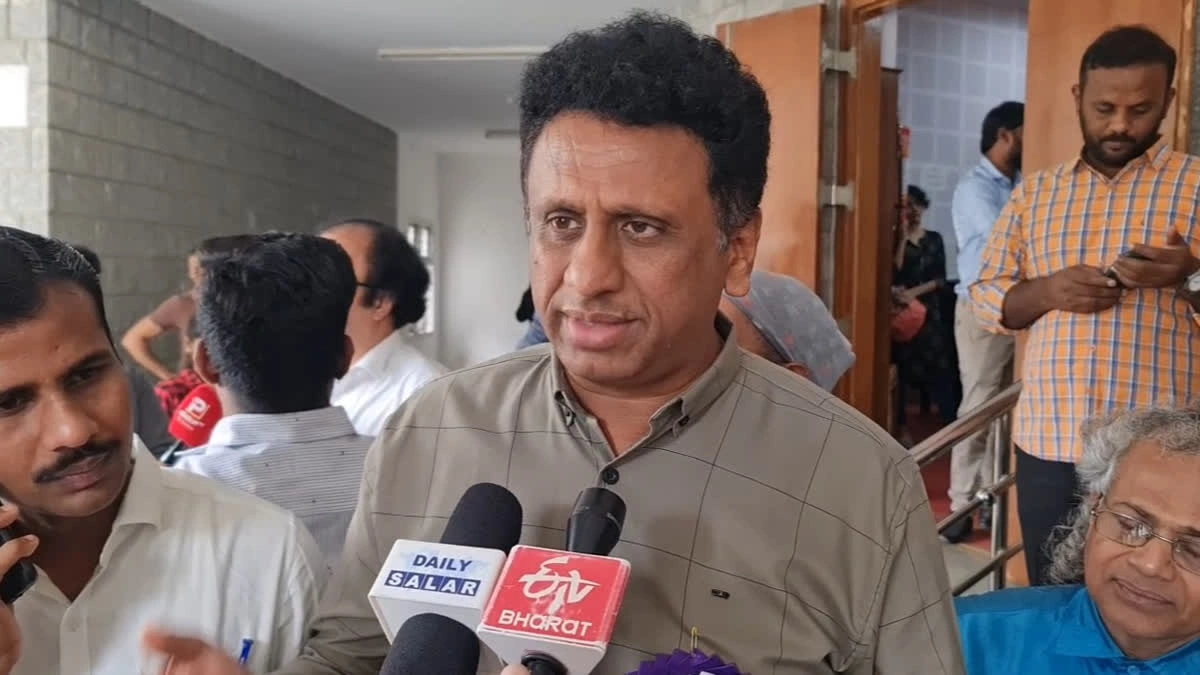
But why does this appeal matter so much? It’s not just about individual job security, though that’s undeniably a huge part. It’s about the larger systemic issues plaguing the education sector. The reliance on temporary faculty often leads to compromised quality of education. Think about it: how motivated can someone be when they’re constantly worried about their next paycheck? The ‘why’ here digs deep into the core values of education – stability, quality, and fair treatment.
The Tamil Nadu government, like many others, has been grappling with the challenge of balancing budgetary constraints and the growing demand for quality education. Utilizing guest lecturers is often seen as a cost-effective solution, allowing institutions to fill teaching positions without the long-term financial commitments associated with permanent faculty. This approach, however, can create a two-tiered system where guest lecturers, despite often possessing similar qualifications and experience as their permanent counterparts, face significant disparities in pay, benefits, and job security. This has led to widespread discontent and, ultimately, the decision to take their fight to the highest court in the land.
The Road to the Supreme Court | A Timeline of Disappointment
The decision to approach the Supreme Court wasn’t a spontaneous one. It was the result of years of petitions, protests, and unfulfilled promises. These lecturers’ struggle involved numerous representations to the state government, highlighting the precariousness of their employment and the need for a comprehensive policy addressing their concerns. But, somewhere along the line, talks broke down. The government cited various reasons – budgetary constraints, policy challenges, and legal hurdles. Whatever the reason, the guest lecturers felt unheard and undervalued.
What’s fascinating is how this reflects a broader national trend. Many states across India face similar challenges with contractual or ad-hoc teachers. The Supreme Court appeal, therefore, isn’t just about Tamil Nadu; it sets a potential precedent for educators across the country. This is a fight with nationwide implications. Read more about similar social issues here
Understanding the Legal Landscape | What the Lecturers Hope to Achieve
Let’s talk legalities. What exactly are the guest lecturers hoping to achieve by appealing to the Supreme Court? Well, primarily, they’re seeking a directive from the court to the state government to regularize their positions and provide them with pay parity with permanent faculty. This isn’t just about a salary raise; it’s about being recognized as valuable assets to the education system, entitled to the same rights and benefits as their colleagues. According to sources, they are building their case around the principles of equal pay for equal work and the right to a dignified livelihood, as enshrined in the Constitution of India.
But here’s the thing: the legal path is never straightforward. The state government will likely argue its own constraints and policy considerations. The Supreme Court will have to weigh these competing interests and determine whether the guest lecturers have a legitimate claim for regularization and equal pay. It’s a complex balancing act, and the outcome is far from certain. One thing is for sure – the case hinges on establishing that the nature of their work is identical to that of permanent lecturers, despite their classification as ‘guest’ faculty.
The Emotional Toll | Stories from the Frontlines
Beyond the legal arguments and policy debates, there’s a very real emotional toll that this situation takes on the guest lecturers. Many have dedicated decades to their profession, nurturing students and contributing to their institutions, often at the expense of their own financial security and personal well-being. Hearing their stories is what truly humanizes this issue.
There’s the story of Mrs. Devi, who has been teaching physics at a government college for 15 years as a guest lecturer. Despite her vast experience and dedication, she earns a fraction of what her permanent colleagues do. She struggles to make ends meet, often working multiple jobs to support her family. Her dream of providing her children with a quality education is constantly threatened by her precarious financial situation. Stories like hers are not uncommon. They paint a picture of resilience and determination in the face of adversity.
And then there’s Mr. Kumar, who holds a doctorate in history and has published numerous research papers. Yet, he remains a guest lecturer, constantly worried about his future. He fears that his skills and knowledge will become obsolete if he doesn’t secure a permanent position soon. He feels like a second-class citizen in his own institution, deprived of the respect and recognition he deserves. Such stories showcase how the job insecurity affects not only their financial stability but also their mental and emotional well-being. This is not just a career; it is their life’s work.
What Happens Next? Scenarios and Implications
So, what could happen next? There are several potential scenarios. The Supreme Court could rule in favor of the guest lecturers, directing the state government to regularize their positions and provide them with equal pay. This would be a landmark victory, setting a precedent for similar cases across the country.
Alternatively, the court could rule against the lecturers, upholding the state government’s policy considerations. This would be a devastating blow to the Tamil Nadu guest lecturers , potentially prolonging their struggle for job security and fair pay. Even if the court rules in their favor, the implementation of the order could face challenges. The state government might drag its feet, citing budgetary constraints or legal technicalities. The guest lecturers would need to remain vigilant and persistent in their efforts to ensure that the court’s order is fully implemented. Find out more about government jobs and recruitment at rajrojgar.in
Whatever the outcome, this case highlights the urgent need for a comprehensive and sustainable solution to the issue of temporary faculty in higher education. The government needs to develop a clear and transparent policy that addresses the concerns of guest lecturers while also ensuring the quality and stability of the education system. Relying on contractual faculty is not only unethical, it is also detrimental to the long-term health of the education sector.
Beyond the Headlines | A Call for Systemic Change
The appeal of Tamil Nadu guest lecturers to the Supreme Court isn’t just a legal battle; it’s a reflection of a deeper systemic problem. It’s about valuing educators, investing in the future of education, and ensuring fair treatment for all those who contribute to the academic community. The fight for permanent positions and fair pay is a fight for dignity, respect, and a sustainable education system.
FAQ Section
What exactly are guest lecturers?
Guest lecturers are temporary or contractual faculty members hired by colleges and universities to teach courses. They often have similar qualifications as permanent faculty but lack job security and benefits.
Why are guest lecturers appealing to the Supreme Court?
They are seeking permanent positions and pay parity with permanent faculty, arguing that their long-term service and contributions deserve recognition.
What are the potential outcomes of the appeal?
The Supreme Court could rule in their favor, directing the government to regularize their positions, or rule against them, upholding the government’s policy considerations.
How does this affect the education system in Tamil Nadu?
This case highlights the need for a sustainable solution to the issue of temporary faculty, ensuring quality education and fair treatment for educators.
Is there a timeframe for when the supreme court may make their decision?
Timelines for supreme court cases can vary drastically, however, the media is reporting that a decision may be expected in the coming months.
How can I support the guest lecturers’ cause?
Stay informed about the issue, raise awareness through social media, and support organizations advocating for fair labor practices in the education sector.

Leave feedback about this