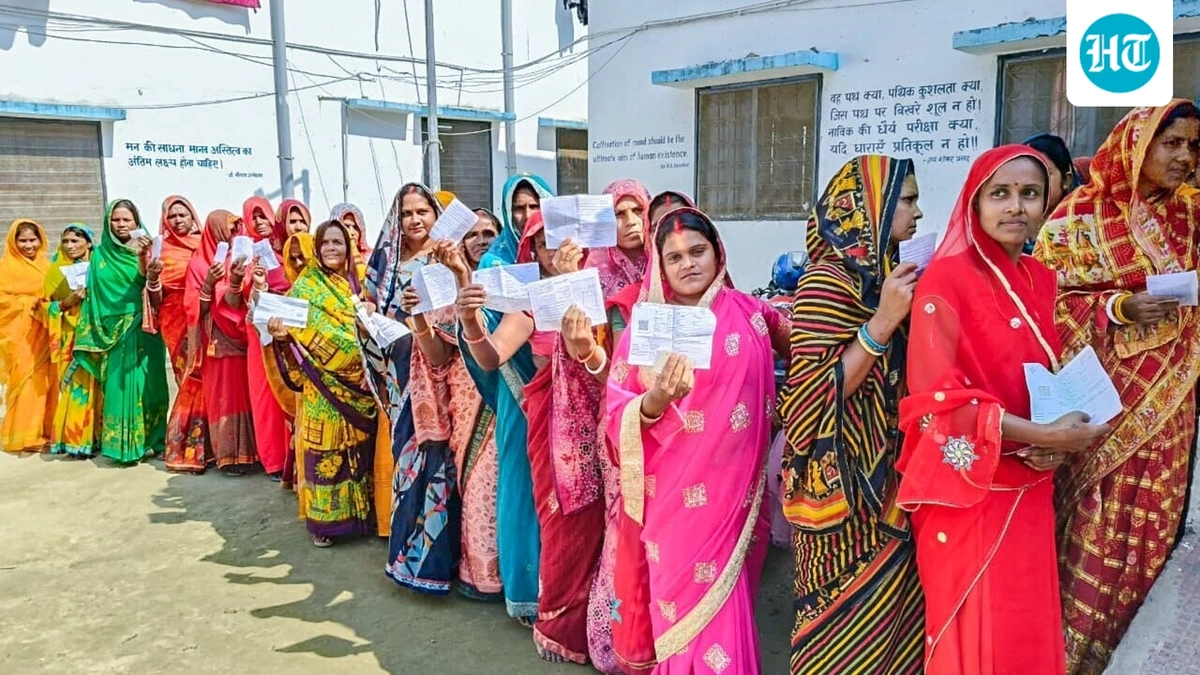
The air in Bihar is thick with anticipation. Not the kind you get before a festival, but the nervous energy that precedes a crucial election. It’s a question that’s been echoing in tea stalls, debated in family gatherings, and amplified by news channels: roads under Nitish or jobs under Tejashwi?
But here’s the thing, it’s not just about choosing between two leaders or two promises. It’s about deciding what kind of future Bihar wants to build for itself. Let’s be honest – elections can be overwhelming. Promises are thrown around like confetti, and it’s hard to know what’s real and what’s just political rhetoric. So, let’s try to decode this a little bit and understand the nuances.
The Nitish Kumar Legacy | Roads and Beyond
Nitish Kumar’s tenure has been largely defined by infrastructure development. And when you travel through Bihar today, it’s hard to deny the impact. The state’s road network has seen a massive overhaul. But, has it been enough? Has it translated into economic prosperity for the average Bihari?
The argument for roads is straightforward: better connectivity leads to better trade, easier access to markets, and improved overall economic activity. Farmers can transport their produce more efficiently. Businesses can expand their reach. But, infrastructure alone doesn’t guarantee jobs. And this is where the narrative gets more complex.
Here’s something I initially thought was straightforward but then realized there’s a key nuance: While physical infrastructure is vital, it needs to be complemented by other factors like skill development, investment in industries, and a conducive environment for entrepreneurship. Without these, roads can become pathways to other states, leading to migration rather than prosperity within Bihar.
Tejashwi Yadav’s Promise | Jobs, Jobs, Jobs
Tejashwi Yadav has consistently focused his campaign on one key issue: employment generation . In a state grappling with high unemployment rates, this resonates deeply with the youth. His promise of creating lakhs of jobs has captured the imagination of many, particularly those who feel left behind by the current development model.
But, the question is – how realistic are these promises? Where will these jobs come from? What sectors will drive this employment boom? These are the questions that voters are grappling with. A common mistake I see people make is taking these promises at face value without critically examining the underlying plan. It is crucial to analyse feasibility of these promises.
So, Tejashwi’s strategy is emotionally appealing, tapping into the aspirations of a generation eager for opportunities. However, it needs to be backed by a concrete and credible roadmap. And, that roadmap needs to address the structural challenges that have historically hindered job creation in Bihar.
The Underlying Reality | Beyond Slogans
The reality is that the choice isn’t as simple as roads versus jobs. It’s about creating a holistic ecosystem where infrastructure development and employment generation go hand in hand. Bihar needs both – better roads to facilitate economic activity and more jobs to provide livelihoods for its people.
What fascinates me is how both narratives also cleverly tap into different aspects of Bihar’s socio-economic fabric. Nitish Kumar’s focus on roads appeals to those who have witnessed the transformation of the state’s infrastructure. Tejashwi Yadav’s emphasis on jobs resonates with the youth who are eager for economic opportunities. But, it’s critical to look beyond the slogans and assess the long-term sustainability of each approach.
And here’s why this matters so much: Bihar’s future depends on making the right choices today. This isn’t just about electing a government; it’s about shaping the destiny of a state and its people. It is important to have proper information to make right decisions. You can also checkout Birsa Munda Self Employment Scheme to start your own business.
Analyzing the Bihar’s Economic Landscape
Let’s dig a bit deeper. Bihar’s economy is predominantly agrarian, with a significant portion of the population dependent on agriculture for their livelihoods. While the agriculture sector has seen some growth, it is still characterized by low productivity and a lack of diversification.
Now, what does this have to do with roads and jobs? Everything. Better road connectivity can improve market access for farmers, reducing post-harvest losses and increasing their income. But, that’s not enough. To create sustainable jobs, Bihar needs to invest in value-added agriculture, food processing industries, and other related sectors.
The service sector also has immense potential, particularly in areas like tourism and IT. Bihar has a rich cultural heritage and historical sites that could attract tourists from all over the world. Investing in tourism infrastructure and promoting Bihar as a tourist destination can create numerous jobs in the hospitality, transportation, and related industries.
Let me rephrase that for clarity: Bihar needs a multi-pronged approach that addresses the challenges and opportunities in different sectors of the economy. It needs to leverage its strengths, such as its agricultural base and cultural heritage, and address its weaknesses, such as its low levels of industrialization and skill development.
The Role of Governance and Policy
Ultimately, the success of either approach – roads or jobs – hinges on good governance and sound policy-making. Bihar needs a government that is committed to transparency, accountability, and the rule of law. It needs policies that promote investment, encourage entrepreneurship, and create a level playing field for all. According to a PRS report , Bihar government needs to make effective and efficient economic strategies.
The government also needs to invest in education and skill development to prepare the workforce for the jobs of the future. It needs to promote innovation and technology to drive economic growth. And it needs to ensure that the benefits of development reach all sections of society, particularly the poor and marginalized.
So, you see, this election is about more than just roads and jobs. It’s about choosing a vision for Bihar’s future – a vision that is both ambitious and realistic, both inclusive and sustainable. It’s about choosing leaders who have the competence, the integrity, and the commitment to translate that vision into reality. You can also explore SSC CPO salary for job oppurtunities.
FAQ Section
Frequently Asked Questions
What are the key issues in the Bihar elections ?
The main issues revolve around infrastructure development (roads under Nitish) versus job creation (jobs under Tejashwi), as well as broader concerns like education, healthcare, and economic growth.
How has infrastructure development impacted Bihar?
Improved roads have enhanced connectivity, trade, and market access, but haven’t automatically translated into widespread job creation.
What are Tejashwi Yadav’s plans for employment generation?
He promises to create a large number of jobs, but the specifics of how those jobs will be created and in which sectors remain a key question.
What is the overall economic landscape of Bihar?
Bihar’s economy is primarily agrarian, with potential in sectors like tourism and IT, but faces challenges in industrialization and skill development.
What role does the government play in policy making?
The government’s role is crucial in promoting investment, encouraging entrepreneurship, investing in education, and ensuring equitable development.



Leave feedback about this