So, another job fraud bites the dust, right? A headline flashes: “Navi Mumbai job fraud : 3-Year Jail, ₹50k Fine.” But, honestly, that’s just the surface. What fascinates me – and should deeply concern you – is the why behind it. Why do these scams keep working? Why are so many Indians still falling prey to these schemes? Let’s dive into this particular case and extract some lessons that can help you stay safe. Consider this your friendly neighborhood guide to navigating the murky waters of the Indian job market.
The Anatomy of a Job Fraud | More Than Meets the Eye

This isn’t just about some rogue individual setting up a fake office. It’s often a meticulously crafted operation preying on vulnerabilities – hope, desperation, and a lack of awareness. These fraudsters understand the anxieties surrounding job searches . They exploit the dream of landing a well-paying job, especially in a competitive market like Navi Mumbai. They lure victims with promises that seem just within reach, creating an illusion of opportunity.
But here’s the thing: these scams often leave digital breadcrumbs. It may involve fake websites, poorly worded emails (grammar is often a giveaway!), and requests for upfront payments for “training” or “security deposits.” A common mistake I see people making is skipping over due diligence and believing everything they are told. Always verify the company’s credentials, check their registration details, and, if possible, speak to current or former employees.
The ₹50,000 fine? That’s a slap on the wrist compared to the emotional and financial damage inflicted on the victims. The three-year jail term, while a deterrent, doesn’t undo the harm. What really matters is preventative action. How can we, as a society, equip ourselves with the knowledge and tools to identify and avoid these scams?
How to Spot a Fake Job Offer | Red Flags Everywhere
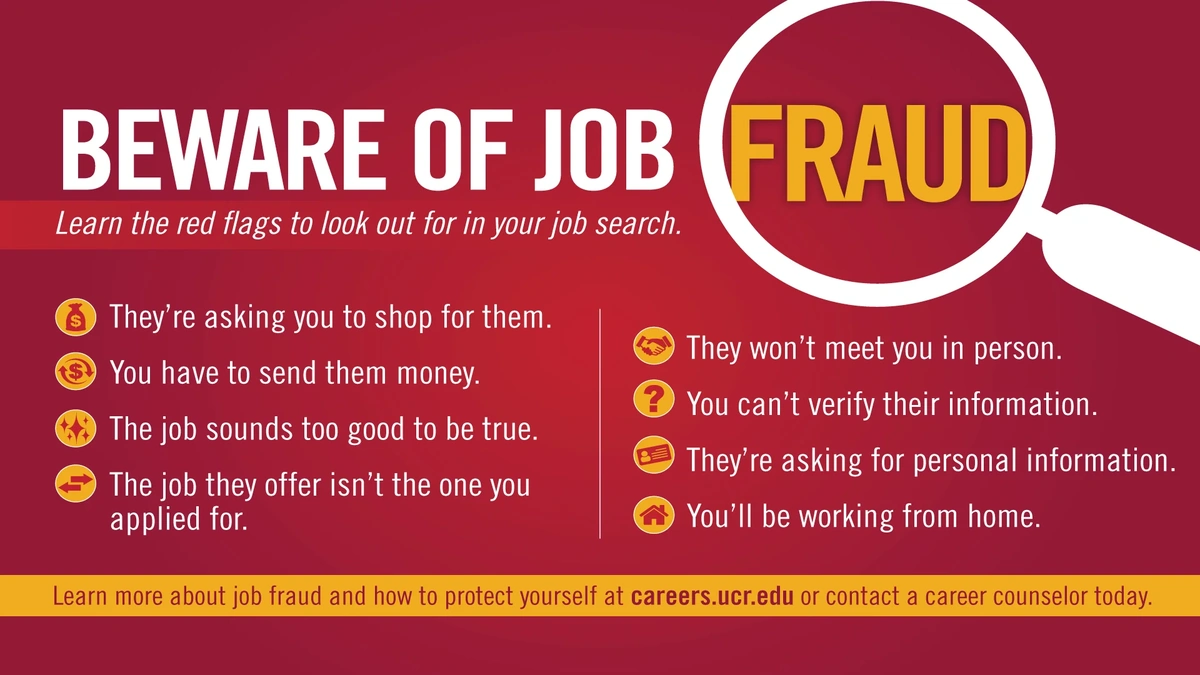
Let’s be brutally honest: if a job offer sounds too good to be true, it probably is. But how do you distinguish between a genuine opportunity and a meticulously crafted deception? Here are some red flags to watch out for:
- Upfront Payments: This is a classic sign. Legitimate companies never ask you to pay for training materials, security deposits, or application fees.
- Poor Communication: Shoddy grammar, generic email addresses (think @gmail instead of a company domain), and evasive answers are all warning signs.
- Pressure Tactics: Scammers often try to rush you into making a decision. They might say things like “This offer is only valid for 24 hours!” or “We have other candidates lined up!”
- Lack of Transparency: Be wary of companies that are vague about their location, services, or employee details. A genuine company will be happy to provide this information.
- Unrealistic Promises: Guaranteed high salaries with little to no experience? That’s a major red flag.
And remember – use your gut! If something feels off, trust your instincts. It’s better to be cautious than to become another victim of online job scams .
The Role of Technology | Both a Blessing and a Curse
The internet has revolutionized the job search process, making it easier than ever to find and apply for opportunities. But it has also created new avenues for fraud. Social media platforms, online job boards, and even professional networking sites can be breeding grounds for scammers. They create fake profiles, post bogus job listings, and target unsuspecting users.
But, technology can also be your friend. Use tools like Google Reverse Image Search to verify the authenticity of profile pictures. Check the company’s website on Whois.com to see when it was registered. Use LinkedIn to connect with current and former employees and ask them about their experiences. And always, always report suspicious activity to the platform in question.
What fascinates me is that, despite all the warnings and awareness campaigns, people continue to fall for these scams. It may be a genuine lack of information or sheer desperation for employment. However, always ensure you do your research before accepting any offers.
What if You’ve Been Scammed? Immediate Action is Key
Okay, let’s say you’ve realized you’ve been a victim of a fake job racket . What do you do? First, don’t panic. It’s important to act quickly, but stay calm and collected.
- File a Police Complaint: This is crucial. The police will investigate the matter and try to recover your lost money. Gather all relevant documents, including emails, job postings, and payment receipts.
- Report to the Cyber Crime Cell: If the scam involved online activity, report it to the cyber crime cell. They have the expertise to track down cyber criminals.
- Contact Your Bank: If you made any payments, contact your bank immediately and ask them to reverse the transaction. Time is of the essence here.
- Warn Others: Share your experience with friends, family, and online communities. This can help prevent others from falling victim to the same scam.
Remember, there is no shame in being scammed. It happens to the best of us. The important thing is to take action and prevent it from happening again. There are numerous resources available to help you, from law enforcement to consumer protection agencies. Use them!
The Bigger Picture | Addressing the Root Causes of Job Fraud
Ultimately, tackling employment fraud requires a multi-pronged approach. It’s not just about catching the criminals; it’s about addressing the underlying factors that make people vulnerable in the first place.This may mean improving education and awareness programsabout job scams, strengthening law enforcement efforts, and creating more employment opportunities for young people.
Government initiatives, such as skill development programs and employment exchanges, can play a crucial role in connecting job seekers with legitimate opportunities. But, these should be promoted in a better manner.
Furthermore, we need to foster a culture of skepticism and critical thinking. Teach people to question, to verify, and to trust their instincts. Empower them with the knowledge and tools to make informed decisions.
According to theFederal Trade Commission (FTC), job scams are on the rise, so it’s important to protect yourself.
And that’s why this Navi Mumbai job fraud case, with its 3-year jail sentence and ₹50k fine, is more than just a news story. It’s a stark reminder of the dangers lurking in the job market and a call to action to protect ourselves, our friends, and our families.
FAQ
What are the most common types of job scams in India?
Common scams include those asking for upfront fees for training or equipment, fake work-from-home schemes, and pyramid schemes disguised as employment.
What if I forgot my application number for a job I applied for?
Contact the company directly and provide them with as much information as possible (name, email, phone number) so they can help you retrieve your application details.
How can I verify the legitimacy of a company before accepting a job offer?
Check their registration details, look for online reviews, and contact current or former employees. A quick search will help to identify fake employers .
What should I do if I suspect a job posting is a scam?
Report it to the job board or platform where you found it. Also, alert the local police or cybercrime cell.
Are work-from-home jobs always scams?
No, many legitimate work-from-home jobs exist. However, be extra cautious and research any such opportunities thoroughly before committing. Look into ways to identify legitimate opportunities.
Can I get my money back if I’ve been scammed?
It’s difficult, but not impossible. File a police complaint, contact your bank immediately, and explore legal options.




Leave feedback about this