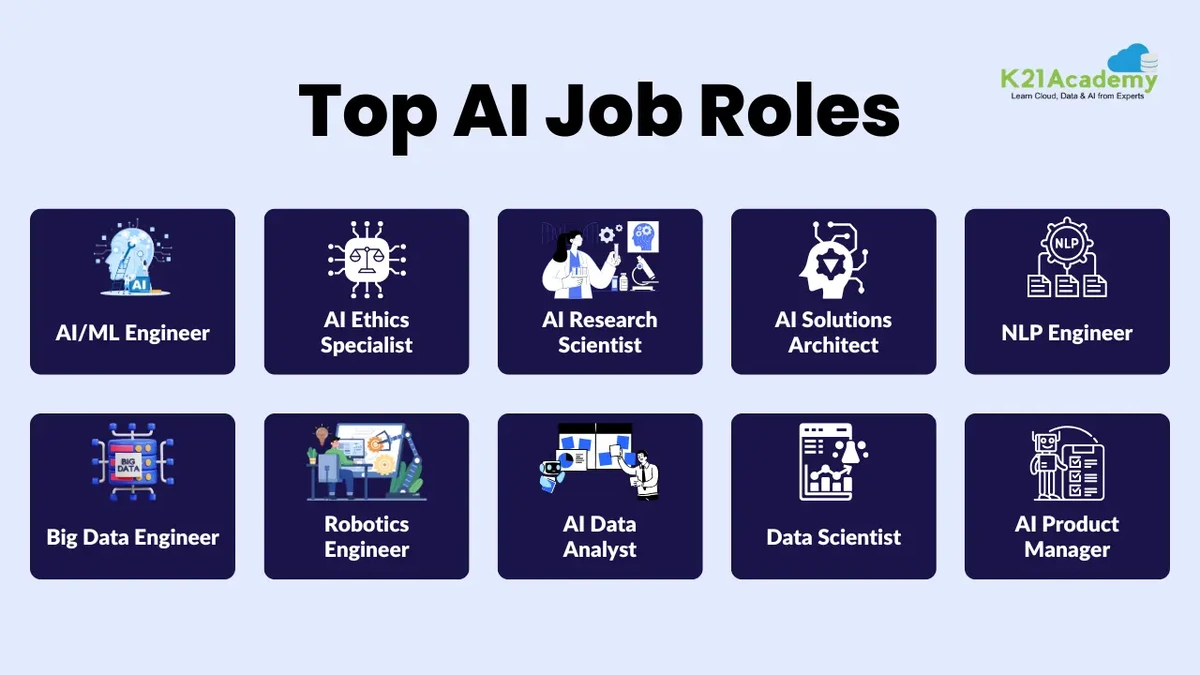
Lokesh Gupta from PGIM India Mutual Fund dropped a fascinating stat recently: the AI boom is expected to generate a whopping 97 million new jobs. Ninety-seven million! That’s not just a number; it’s a potential economic earthquake. But here’s the thing – numbers like that can feel… abstract. What does it really mean for you, sitting here in India, wondering about your career, your future, your kids’ future? Let’s dive in, shall we?
The “Why” | AI Isn’t Just Taking Jobs, It’s Reshaping Them
Everyone’s worried about AI stealing jobs, and, let’s be honest, some jobs will be automated. But that’s only half the story. What fascinates me is the potential for job creation. See, AI isn’t just about replacing humans; it’s about augmenting them. Think about it: every new technology creates a whole ecosystem of new roles. Someone has to build the AI, train the AI, maintain the AI, and, crucially, use the AI to create even more value. This leads to an increase in AI job opportunities . It’s like the internet boom all over again, but on steroids.
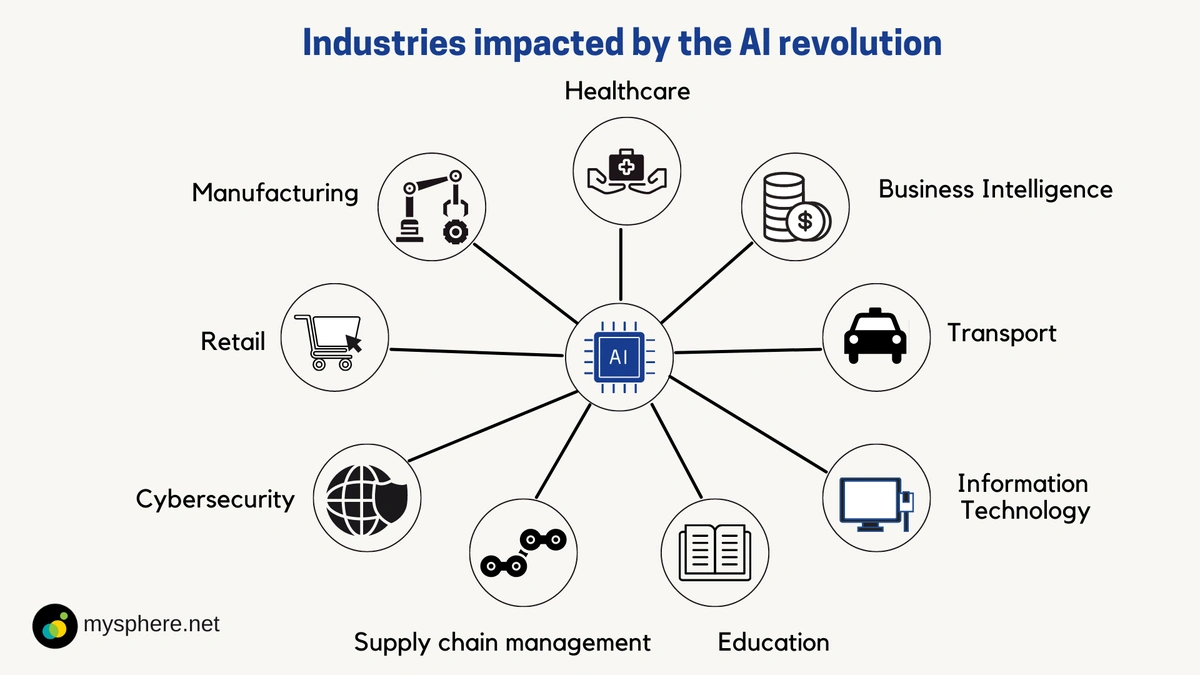
And it’s not just tech companies that will be hiring. Every industry – from agriculture to healthcare to finance – will need people who understand how to leverage AI. That’s where the 97 million jobs come in. It’s a global phenomenon, sure, but India, with its vast talent pool and growing tech sector, is poised to be a major beneficiary. But how do you prepare for this massive shift?
The “How” | Gearing Up for the AI-Driven Job Market
Okay, so 97 million jobs sound great, but they won’t magically land in your lap. Here’s the thing: you need to skill up. But not just any skills – the right skills. And that starts with understanding what employers are actually looking for. First and foremost, a solid understanding of data science principles is essential. This includes machine learning, natural language processing (NLP), and computer vision. But technical skills are only part of the equation.
Think of it like this: AI is the engine, but you’re the driver. You need to understand the road (the business context), navigate the traffic (the data), and get to your destination (the desired outcome). That means developing strong problem-solving skills, critical thinking skills, and, perhaps most importantly, the ability to communicate complex ideas clearly. Remember, AI can generate insights, but it can’t tell a compelling story. That’s where humans come in.
Consider pursuing certifications in AI and machine learning from reputable institutions. Many online platforms offer excellent courses, allowing you to learn at your own pace. Focus on projects that allow you to apply your knowledge to real-world problems. Building a portfolio showcasing your skills is crucial for landing your dream AI job . Don’t underestimate the power of networking. Attend industry events, join online communities, and connect with professionals in the field. Building relationships can open doors to new opportunities and provide valuable insights into the latest trends.
The “Emotional” Angle | From Anxiety to Opportunity
Let’s be honest, the rise of AI can be scary. It’s natural to feel anxious about the future of work. But I think the key is to reframe your mindset. Instead of seeing AI as a threat, see it as an opportunity. An opportunity to learn new skills, to reinvent your career, to create something truly amazing. Think about the potential: you could be part of the team that develops the next groundbreaking AI-powered medical device, or the next AI-driven solution to climate change. The possibilities are endless.
Now, I know what you’re thinking: “Easier said than done.” And you’re right. It takes effort, dedication, and a willingness to embrace change. But here’s the thing: you’re not alone. There are millions of people around the world who are just as excited (and just as nervous) about the future of AI . Connect with them, learn from them, and support each other. Together, we can navigate this new world and create a future where AI empowers us all.
AI Jobs | Beyond the Hype
It’s not just about becoming an AI engineer or a data scientist. Those roles are important, sure, but the impact of AI extends far beyond the traditional tech sector. Consider the healthcare industry. AI is revolutionizing diagnostics, treatment planning, and drug discovery. This means there’s a growing demand for healthcare professionals who can work with AI-powered tools and interpret AI-generated insights. Or think about the manufacturing sector. AI is being used to optimize production processes, improve quality control, and predict equipment failures. This creates opportunities for engineers and technicians who can maintain and troubleshoot AI-powered systems. According to research on Brookings , AI is impacting white-collar jobs as well.
The point is this: no matter what your background or your interests, there’s likely a way for you to leverage AI to enhance your career prospects. The key is to identify the specific skills and knowledge that are in demand in your industry and then acquire those skills. But what skills do you really need to succeed in the AI-driven job market ?
Future-Proofing Your Career | Essential AI Skills
Let’s get practical. If you’re serious about getting into the AI field , some skills are non-negotiable. You need to have a strong foundation in mathematics, including calculus, linear algebra, and statistics. You also need to be proficient in programming languages like Python and R, which are widely used in AI development. A common mistake I see people make is focusing solely on the technical aspects of AI and neglecting the importance of soft skills. Communication, teamwork, and problem-solving are crucial for success in any AI-related role. This requires understanding AI ethics and the potential negative impact.
The one thing you absolutely must double-check is whether the certifications are recognized. Don’t get distracted by the big names. Look at the curriculum and see if it matches your expectations. Before you spend any money, do your homework and ensure your time and money is worth it.
So, Lokesh’s prediction isn’t just hype. It’s a call to action. It’s a challenge to embrace the future, to learn new skills, and to create a better world. And that’s something worth getting excited about. Consider the opportunities provided by Garib Kalyan Rojgar Abhiyaan for learning new skills.
FAQ About the AI Job Market
What specific types of jobs will be created by the AI boom?
Expect growth in areas like AI engineering, data science, AI ethics, AI-driven marketing, and AI-enhanced customer service, across all industries.
What if I don’t have a technical background? Can I still get an AI job?
Absolutely! Focus on roles that require domain expertise and communication skills, such as AI project management, AI training, or AI-assisted consulting.
What are some affordable ways to learn AI skills?
Explore free online courses on platforms like Coursera, edX, and Udacity. Look for local workshops and bootcamps offered by community organizations. The cost of AI training has come down quite a bit over the last few years.
What if I’m worried about AI replacing my current job?
Identify the tasks in your job that are most likely to be automated and focus on developing skills that complement AI, such as critical thinking, creativity, and emotional intelligence.
How important is it to have a college degree to get an AI job?
While a degree can be helpful, it’s not always essential. Many employers value practical skills and experience over formal education. A strong portfolio and relevant certifications can often compensate for a lack of degree.
Where can I find reliable information about AI career paths ?
Follow industry blogs, attend webinars, and connect with professionals on LinkedIn. Also, look for resources from reputable organizations like the IEEE and the ACM.




Leave feedback about this