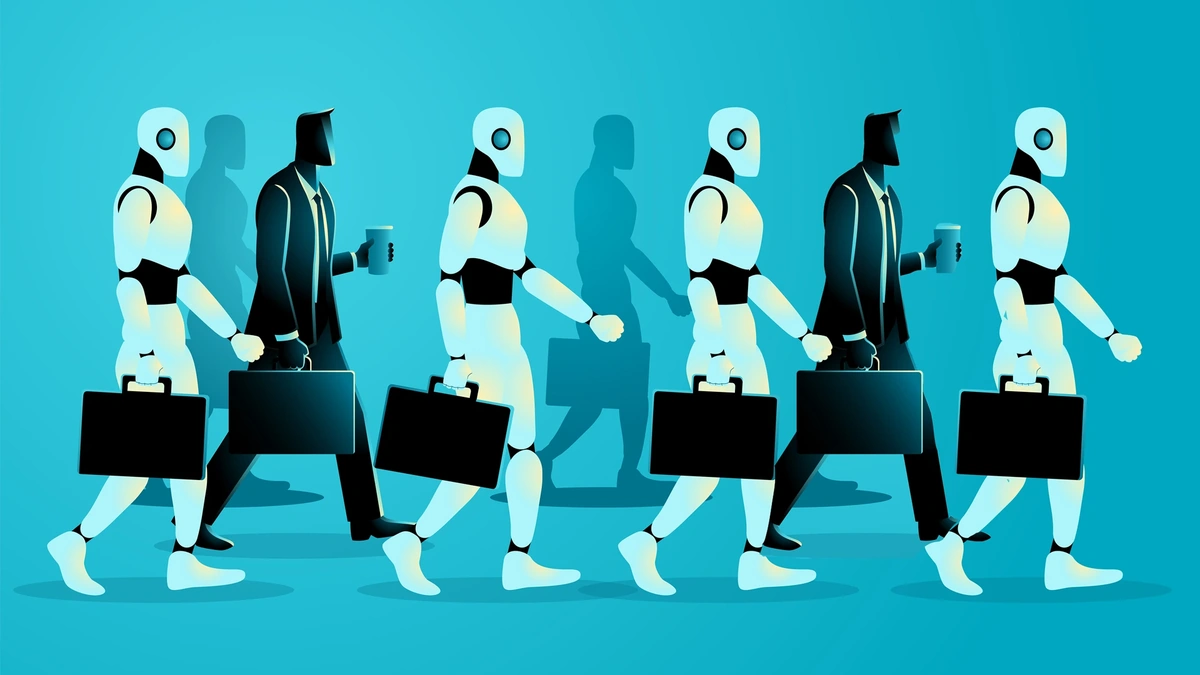
The rise of artificial intelligence (AI) has sparked countless debates, but one of the most pressing and frankly, anxiety-inducing is its potential impact on jobs. Will AI take over everything? Will we all be replaced by robots? These are the questions swirling in the minds of people around the globe, and they’re particularly relevant in a country like India, with its vast and diverse workforce. What fascinates me is how different cultures perceive the role of AI in their lives, and how their unique values shape their approach to this technological revolution.
The Perplexity CEO’s Perspective | A Glimmer of Hope?
Aravind Srinivas, the CEO of Perplexity AI, recently shared his thoughts on this very topic, and his perspective offers a fascinating counterpoint to the prevailing doom and gloom. He emphasizes the importance of human connection and Indian values in navigating this new landscape. But what does that actually mean? Is it just wishful thinking, or is there a concrete strategy we can glean from his words? Let’s be honest, the thought of AI job displacement is scary. But maybe, just maybe, there’s a path forward that allows us to harness the power of AI without sacrificing our humanity.
Indian Values | A Unique Advantage?
Srinivas highlights the strength of human relationships and community in India. This isn’t just about being nice to your neighbors; it’s about recognizing the inherent value of human interaction and collaboration. In a world increasingly dominated by algorithms, this emphasis on human connection could be a significant advantage. “Here’s the thing…” jobs that require empathy, creativity, and complex problem-solving are less likely to be automated. What fascinates me is how this could lead to a re-evaluation of skills and a renewed focus on developing uniquely human capabilities. This strength in human relationships makes the discussion on AI development very important.
The “How” | Thriving in the Age of AI
So, how do we translate these values into concrete action? How can individuals and businesses in India prepare for a future where AI is increasingly prevalent? It’s not about running away from technology; it’s about adapting and evolving. A common mistake I see people make is assuming that technical skills are the only ones that matter. While coding and data analysis are undoubtedly important, they’re not the whole story. What about communication, critical thinking, and emotional intelligence? These are the skills that will set you apart in an AI-driven economy .
Let me rephrase that for clarity: We need to focus on developing skills that complement AI, not compete with it. Think of it as a partnership, not a battle. Instead of fearing automation , embrace it as a tool to enhance our capabilities and free us from repetitive tasks. The one thing you absolutely must double-check is that you’re not just learning new skills, but also cultivating a mindset of continuous learning and adaptation. The future belongs to those who can embrace change and see AI as an opportunity, not a threat. According to recent studies, adaptability is one of the top skills employers are looking for in the age of AI. Explore faith based jobs.
Beyond the Technical | The Importance of Emotional Intelligence
What fascinates me is the often-overlooked role of emotional intelligence (EQ) in this whole equation. In a world where AI can handle complex calculations and automate routine tasks, the ability to understand and manage emotions becomes even more crucial. EQ is what allows us to build strong relationships, resolve conflicts, and lead with empathy. These are skills that AI simply cannot replicate. And, these skills could provide a bulwark against technological unemployment .
I initially thought this was straightforward, but then I realized the nuance involved. It’s not just about being “nice”; it’s about understanding the motivations and needs of others. It’s about being able to communicate effectively and build trust. These are the qualities that will make you a valuable asset in any organization, regardless of the level of AI adoption. So, while you’re busy learning Python and machine learning, don’t forget to invest in your EQ. Your future self will thank you.
And that leads me to the skills gap that must be addressed. According to the World Economic Forum, critical thinking and analysis, problem-solving, and self-management are skills that are increasingly in demand. These are the very skills where human intelligence excels. Check career values for GenZ.
A Final Thought | Embracing the Future with Optimism
The AI revolution is upon us, and there’s no turning back. But that doesn’t mean we should succumb to fear and despair. Instead, let’s embrace the future with optimism and a proactive mindset. Let’s focus on developing skills that complement AI, cultivate our uniquely human capabilities, and leverage our cultural values to create a more inclusive and equitable future. While sources suggest a specific time when all of this will come to fruition, the official confirmation is still pending. It’s best to keep checking official news to stay updated. What fascinates me is the potential for India to lead the way in this new era, showing the world how to harness the power of AI while preserving our humanity. The discussion on automation technologies is very relevant for this.
FAQ Section
Frequently Asked Questions
What skills should I focus on to stay relevant in the age of AI?
Focus on skills that complement AI, such as critical thinking, problem-solving, communication, emotional intelligence, and creativity.
Will AI completely replace human workers?
While AI will automate some jobs, it will also create new opportunities and augment existing roles. The key is to adapt and develop skills that are uniquely human.
How can Indian values help us navigate the AI revolution?
The emphasis on human connection, community, and collaboration can provide a significant advantage in a world increasingly dominated by algorithms.
What if I’m not tech-savvy? Can I still thrive in the age of AI?
Absolutely! Technical skills are important, but they’re not the only thing that matters. Soft skills, such as communication and emotional intelligence, are equally valuable.
Where can I find resources to learn more about AI and its impact on jobs?
Explore online courses, industry reports, and government initiatives focused on AI and workforce development.
How fast will the AI jobs replace human jobs?
While a hard timeline is not available to predict the full impact of AI on jobs, you can learn how to adapt to the AI driven changes and prepare for them.



Leave feedback about this