The US economy – it’s a bit like that friend who swears they have it all together but then their life unravels at the seams. We see the headlines: job losses, companies struggling. But what’s really going on? Why is this happening, and more importantly, what does it mean for you and me?
The Real Culprit | Beyond the Headlines
Let’s be honest, the news often gives us the symptoms, not the disease. We hear about job losses in the tech sector or retail closures, but rarely do we get a deep dive into why . Here’s the thing: it’s not just one thing. It’s a cocktail of factors that have been brewing for years. We’re talking about rising interest rates, persistent inflation (even if it’s cooled down a bit), and a shift in consumer spending. Think about it – are you buying the same things you were two years ago? Probably not. This shift alone is enough to cause tremors in the US economy .
And here’s the kicker: many companies binged during the cheap money days of the pandemic, over-hiring and over-investing. Now, the bill is coming due. This is why you see even seemingly invincible companies suddenly announcing layoffs.
The Domino Effect | How Company Decline Impacts Jobs
When a major company starts to falter, it’s not just the shareholders who feel the pain. It’s a domino effect that ripples through the entire ecosystem. Suppliers get squeezed, smaller businesses that rely on that company’s patronage suffer, and of course, employees are laid off. I initially thought this was straightforward, but then I realized the psychological impact on consumer confidence. When people see their neighbors losing jobs, they tighten their belts, which further dampens economic activity. It’s a vicious cycle. TheBureau of Economic Analysisprovides detailed reports on these trends. It is interesting to observe how personal consumption expenditure is closely tied to employment numbers.
What fascinates me is the speed at which this happens in the digital age. Bad news travels fast, and consumer sentiment can shift on a dime. That’s why companies are so desperate to maintain a positive image, even when things are falling apart behind the scenes. The stock market acts as an amplifier of both good and bad signals.
Is This a Recession? The Million-Dollar Question
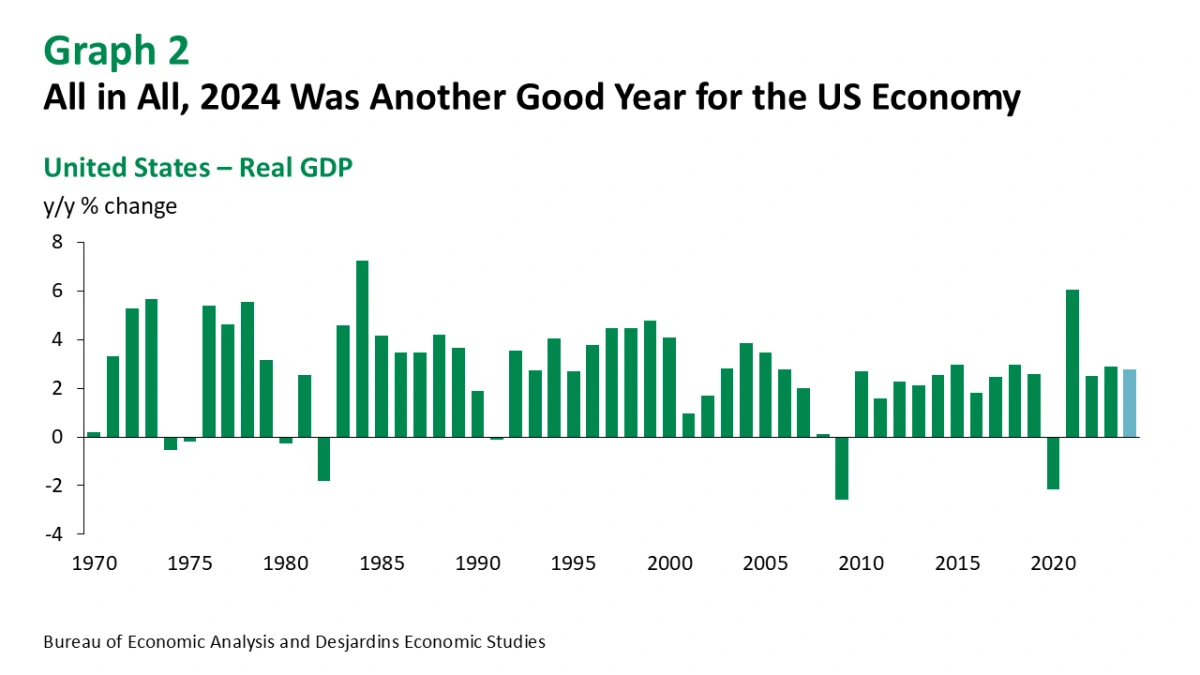
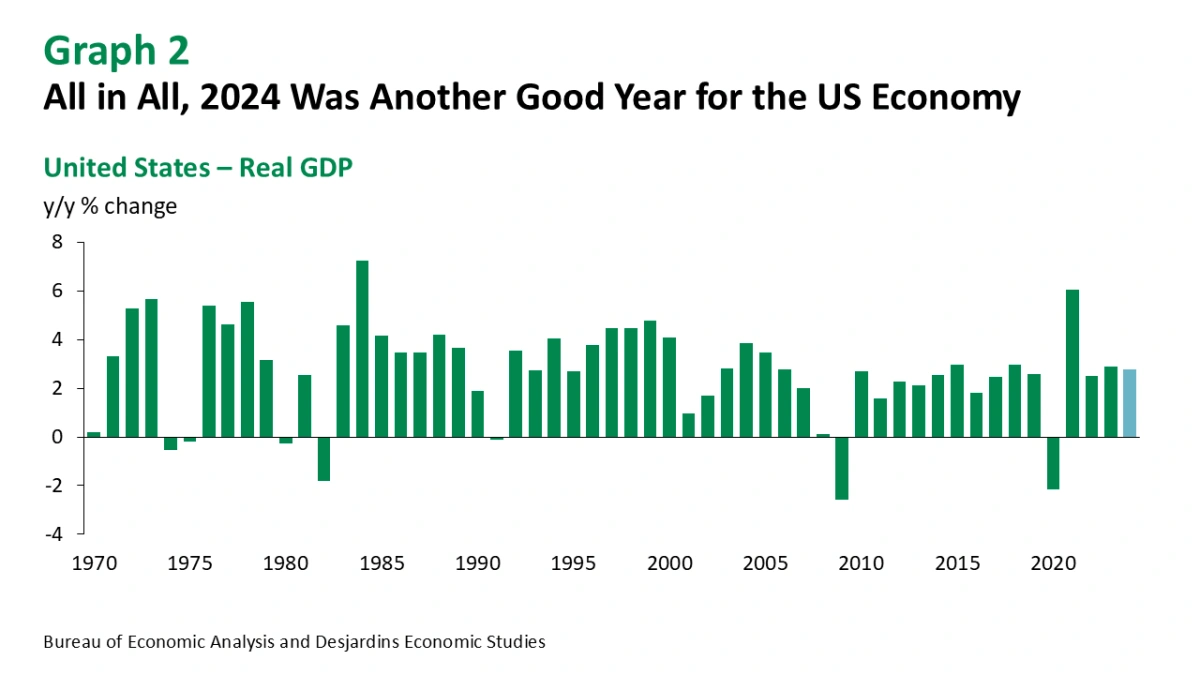
Ah, the R-word. Everyone’s afraid to say it, but it’s on everyone’s mind. Are we heading into a recession? Well, technically, a recession is defined as two consecutive quarters of negative GDP growth. While the US economy has shown resilience, with recent quarters showing positive growth, the underlying vulnerabilities are still there. Rising interest rates , for example, are a double-edged sword. They’re meant to curb inflation, but they also make it more expensive for businesses to borrow money and invest, thus limiting potential economic growth. You may find similar content in the blog post future jobs .
Let me rephrase that for clarity: The Federal Reserve is essentially trying to walk a tightrope, trying to cool down the economy without pushing it over the edge. It’s like trying to adjust the temperature in a room when the thermostat is broken. So, are we in a recession? Not officially, but the risk is certainly elevated, with analysts carefully watching indicators like the unemployment rate and durable goods orders. But,
The Silver Linings | Opportunities in a Shifting Landscape
But it’s not all doom and gloom. Economic downturns also create opportunities. Companies become more efficient, innovation is spurred by necessity, and new industries emerge. Think about it – some of the most successful companies in the world were founded during recessions. The key is to be adaptable and look for where the growth is happening. For example, the clean energy sector is booming, driven by government incentives and a growing demand for sustainable solutions. Similarly, the healthcare industry is always in demand, regardless of the economic climate.
Here’s the thing: Smart investors and entrepreneurs see downturns as a chance to buy low and build for the future. They understand that economic cycles are inevitable and that patience and a long-term perspective are essential. What fascinates me is seeing how technological advancements create the need for people to seek upskilling opportunities and certifications to enhance the resume in order to stay relevant in the workforce.
Preparing for the Future | What You Can Do
So, what can you do to navigate these uncertain times? The most important thing is to be proactive. Take control of your finances, invest in your skills, and be prepared to adapt to changing circumstances. A common mistake I see people make is sticking their head in the sand and hoping for the best. That’s not a strategy; that’s wishful thinking. If you want to take advantage of the PM surya ghar bijali yojana then visit this site.
A few concrete steps you can take: build an emergency fund, reduce debt, and diversify your income streams. Consider freelancing, starting a side business, or investing in assets that are likely to hold their value during a downturn. And most importantly, stay informed and be realistic about the risks. According to theBureau of Labor Statistics, certain industries are more vulnerable to economic downturns than others. Understanding these trends can help you make informed decisions about your career and investments.
FAQ Section
Frequently Asked Questions
What are the main indicators of a struggling US economy?
Key indicators include rising unemployment, declining GDP growth, increased inflation, and decreased consumer spending.
How do interest rates affect the US economy?
Rising interest rates can curb inflation but also slow down economic growth by making borrowing more expensive.
What industries are most vulnerable during an economic downturn?
Industries like manufacturing, retail, and construction are typically more vulnerable to economic downturns.
What steps can individuals take to prepare for a potential recession?
Build an emergency fund, reduce debt, diversify income, and invest in essential skills.
Are there any positive aspects to economic downturns?
Downturns can spur innovation, increase efficiency, and create opportunities for new industries.
Is the Federal Reserve likely to raise interest rates again?
The Federal Reserve’s future actions will depend on inflation data and overall economic conditions.
The US economy is a complex beast, but understanding the underlying drivers of job losses and company decline is crucial for navigating the challenges and opportunities ahead. Don’t just read the headlines; dig deeper, stay informed, and be prepared to adapt. That’s the key to not just surviving, but thriving, in a changing world.



Leave feedback about this