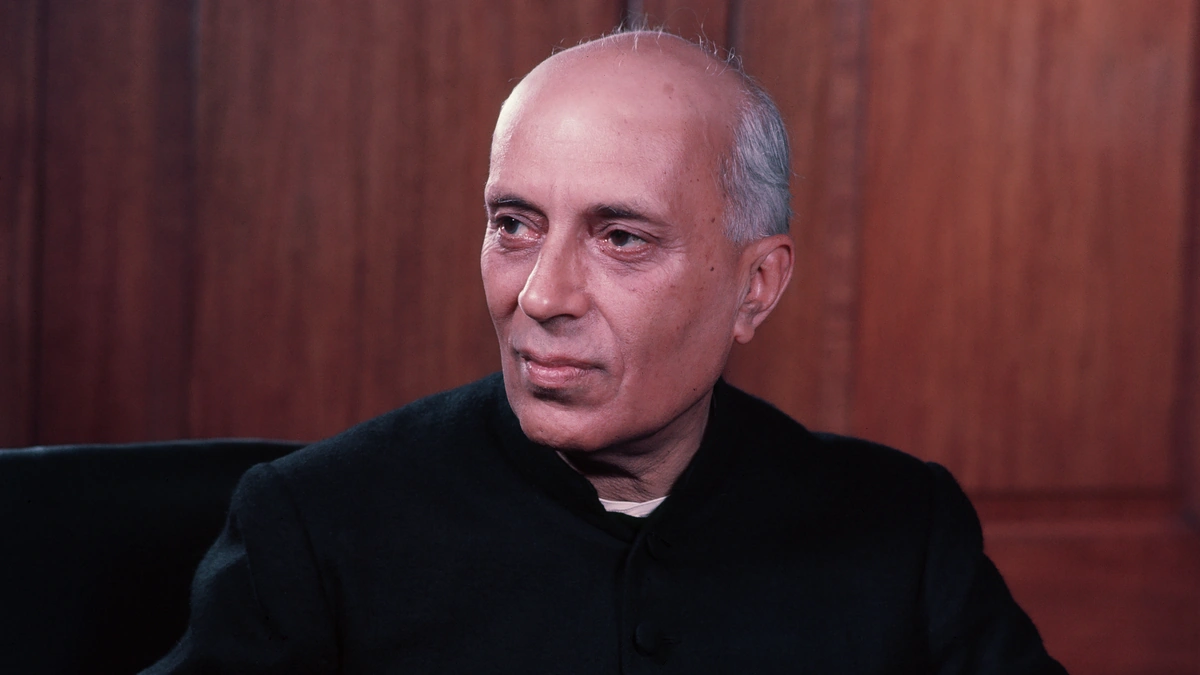
Imagine a time when computers were the size of rooms and the internet was just a twinkle in some scientist’s eye. Now picture a young India, eager to step onto the world stage, but lacking the tech skills to compete. Sounds like a bit of a problem, right? Well, that’s the India that Jawaharlal Nehru inherited, and his solution was nothing short of visionary. It wasn’t just about building factories; it was about building minds – specifically, technically skilled minds.
We often hear about Nehru’s contributions to India’s independence and his role as the first Prime Minister. But what sometimes gets lost in the shuffle is his deep commitment to science and technology. He saw it not just as a tool for progress, but as the very foundation upon which a modern India could be built. So, how did Nehru, a man often seen in a crisp achkan and Gandhi cap, become the unlikely champion of 1960s technology education? Let’s dive in – it’s a fascinating story. And, importantly, it’s a story that still resonates with us today, as India continues to navigate the complexities of the modern tech landscape.
The Seeds of a Technological Revolution
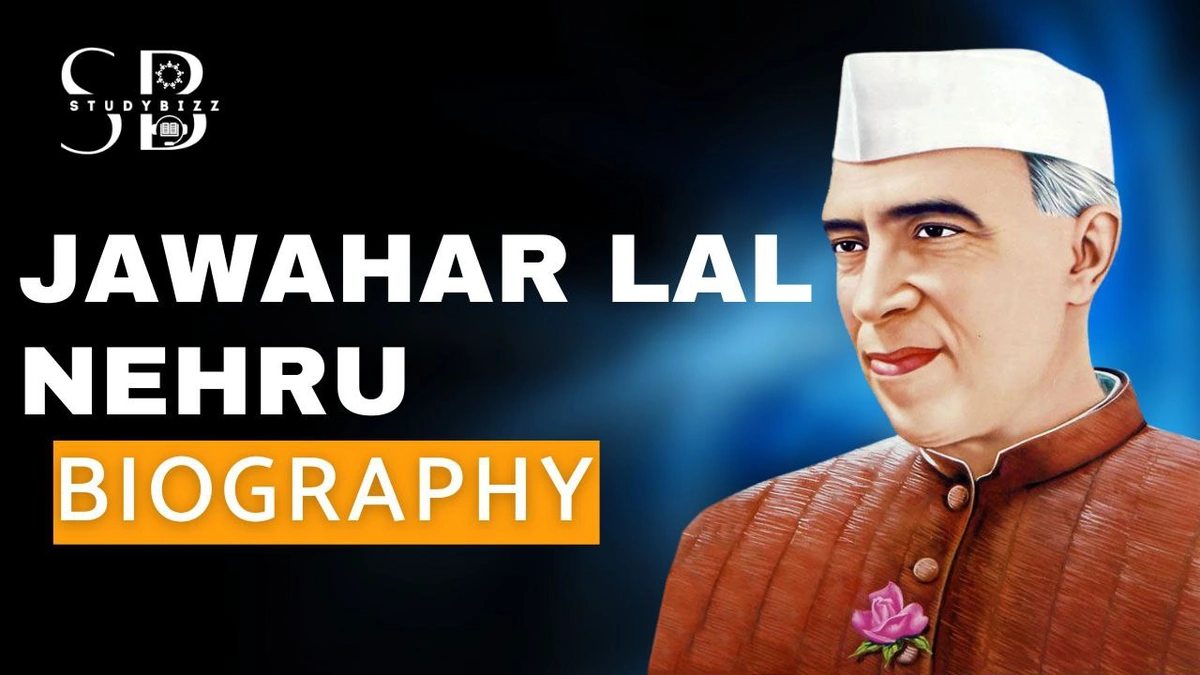
Nehru wasn’t a scientist himself, let’s be honest. He was a politician, a lawyer, and a writer. But what fascinated me is his unwavering belief in the power of science to transform India. He knew that true independence meant more than just political freedom; it meant economic self-reliance, and that required a technologically skilled workforce.
So, what did he do? He started by establishing institutions of higher learning focused on science and engineering. Think of it as planting seeds that would eventually blossom into a technological revolution. The Indian Institutes of Technology (IITs) were, and still are, prime examples. These weren’t just colleges; they were envisioned as world-class centers of excellence, designed to train the brightest minds in the country. Nehru personally championed these institutes, ensuring they had the resources and autonomy they needed to flourish. Check this out , you might find similar initiatives in today’s world.
But here’s the thing: it wasn’t just about creating elite institutions. Nehru also understood the importance of spreading technological literacy at all levels. He encouraged the establishment of polytechnics and vocational training centers to provide skills to a broader section of the population. He also pushed for scientific research and development, believing that innovation was key to India’s long-term progress. This holistic approach, from top-tier research to grassroots training, was truly groundbreaking for its time. According to a report by the Planning Commission, these efforts contributed significantly to the growth of the manufacturing sector in the 1960s. Planning Commission Report on Technology
Building the Foundation | Key Institutions and Policies
So, let’s get a bit more specific. What exactly did Nehru do to foster technology education ? Well, several key initiatives stand out. The establishment of the Council of Scientific and Industrial Research (CSIR) was crucial. This organization was tasked with promoting scientific research across a wide range of fields, from medicine to engineering. It wasn’t just about academic research either; CSIR was also focused on developing technologies that could be used by Indian industries.
Then there were the IITs. The first IIT was established in Kharagpur in 1951, and others followed in Bombay, Madras, Kanpur, and Delhi. These institutions were modeled after leading engineering schools in the United States and Europe, but with a distinctly Indian focus. The idea was to create a new generation of engineers and scientists who could address the specific challenges facing India. And, of course, there was Nehru’s unwavering support for the atomic energy program, led by the brilliant Homi Bhabha. He saw nuclear technology as essential for India’s energy security and industrial development.
One common mistake I see people make is underestimating the scale of these efforts. It wasn’t just about building a few institutions; it was about creating an entire ecosystem that supported scientific and technological development. This included policies to promote scientific research, funding for education, and incentives for industries to adopt new technologies.
The Impact on 1960s Jobs and Beyond
Now, you might be wondering, how did all of this impact the job market in the 1960s? Well, the truth is, the effects weren’t immediately visible. Building a skilled workforce takes time. However, the seeds that Nehru planted in the 1950s and early 1960s began to bear fruit in the later part of the decade and beyond.
The graduates of the IITs and other technical institutions began to fill key positions in Indian industries. They helped to modernize factories, develop new products, and improve existing processes. The CSIR developed technologies that were used in agriculture, manufacturing, and healthcare. The atomic energy program made significant contributions to India’s power generation capacity. Consider Jawaharlal Nehru’s vision , and how it shaped the future. Ultimately this improved technology education in India . The results were transformative.
What fascinates me is that Nehru’s vision extended beyond just creating jobs in the traditional sense. He also wanted to foster a spirit of entrepreneurship and innovation. He believed that India could become a global leader in technology, and he encouraged young people to start their own businesses and develop their own technologies.
Nehru’s Enduring Legacy in Technology
So, here’s the thing: Nehru’s legacy in technical education isn’t just about the institutions he created or the policies he implemented. It’s about the mindset he fostered – a belief in the power of science and technology to transform India. His commitment to education, research, and innovation laid the foundation for India’s emergence as a major technological power in the 21st century. Learn more about current Indian initiatives.
Even today, the IITs continue to be among the most prestigious engineering schools in the world. The CSIR remains a leading research organization, and India’s atomic energy program is a source of national pride. Nehru’s vision of a technologically advanced India continues to inspire generations of scientists, engineers, and entrepreneurs.
Let me rephrase that for clarity: Nehru didn’t just build institutions; he built a culture. A culture of innovation, a culture of scientific inquiry, and a culture of technological ambition. That’s a legacy that will endure for generations to come. Consider what Nehru’s technology policy meant for the country, it can never be overstated.
FAQ
Why was Nehru so focused on technology education?
Nehru believed that technology was essential for India’s economic self-reliance and national progress. He saw it as a way to overcome poverty, improve living standards, and strengthen India’s position in the world.
What were the main institutions that Nehru established to promote technology education?
Key institutions included the Indian Institutes of Technology (IITs) and the Council of Scientific and Industrial Research (CSIR).
How did Nehru’s policies impact job creation in the 1960s?
While the immediate impact was limited, Nehru’s policies laid the foundation for a skilled workforce that fueled industrial growth and job creation in subsequent decades.
What is Nehru’s lasting legacy in the field of technology?
Nehru’s legacy is a culture of innovation, scientific inquiry, and technological ambition that continues to inspire India’s progress.
How did Nehru promote scientific temper in India?
He advocated and ensured for incorporation of scientific method into educational institutions. He was always very vocal that policies should be based on research and empiricism.




Leave feedback about this