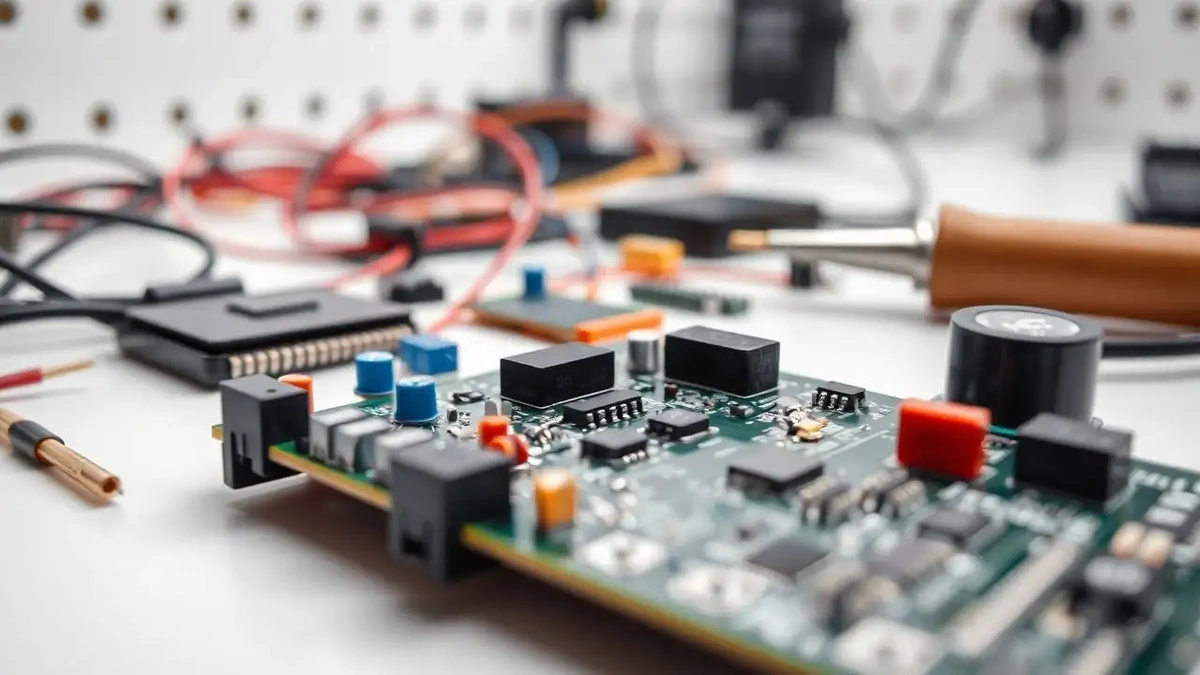
Okay, so here’s the thing: we’re all used to hearing about big numbers in the news, right? Crores here, lakhs there – it can all start to feel a bit abstract. But when you see a headline like “Tech Startups Receive Rs 258 Crore Investment from Electronics Development Fund , Generating 23,600 Jobs,” it’s time to sit up and pay attention. Not just because of the impressive figures, but because of what it signals about the direction of tech in India.
What fascinates me is the ‘why’ behind this. Why is the government so keen on pushing electronics development? And what does it mean for you, the aspiring entrepreneur, the tech enthusiast, or even just someone looking for a new job? Let’s dive in.
The Underlying Push | Why the Electronics Development Fund Matters

Let’s be honest, India has always been a massive consumer of electronics. From smartphones to laptops to that fancy new smart TV your neighbor just bought, we love our gadgets. But for years, a huge chunk of these electronics were imported. That’s where the Electronics Development Fund (EDF) comes in. It’s not just about throwing money at startups; it’s about building a self-reliant ecosystem. The goal? To foster domestic design and manufacturing capabilities. This reduces our dependence on imports and boosts the Indian economy.
The EDF, managed by Canbank Venture Capital Fund, is essentially a fund of funds. This means it invests in venture capital funds that, in turn, invest in promising electronics and IT startups. Think of it as a multi-layered approach to nurturing innovation. So, instead of directly funding startups, it empowers specialized VC funds to find and support them.
But why electronics specifically? Well, electronics are the backbone of pretty much every industry these days – healthcare, automotive, agriculture, you name it. By strengthening our electronics sector, we’re strengthening the entire economy. It’s a strategic move with long-term implications. And that’s the crux of the matter.
Job Creation | More Than Just a Number
23,600 jobs. That’s the headline grabber, isn’t it? But let’s dig a bit deeper. These aren’t just any jobs; they are skilled jobs in a high-growth sector. We’re talking about engineers, designers, software developers, and technicians – the kind of roles that drive innovation and create a ripple effect throughout the economy.
And here’s the kicker: These jobs are often created in smaller companies, in startups that are agile and innovative. They’re not just filling positions in large corporations; they’re building something new, something exciting. The potential impact on the overall Indian job market should not be taken lightly. If you want to know more about similar government schemes, consider checking out top government schemes .
How This Impacts You | Opportunities on the Horizon
Okay, so what does all this mean for you? Whether you are a student, a professional, or someone simply curious about the Indian economy, the rise of the electronics industry presents a wealth of opportunities. A lot of these opportunites are in electronic components and consumer electronics.
- For Students: Consider pursuing careers in electronics engineering, computer science, or related fields. The demand for skilled professionals in these areas is only going to increase.
- For Entrepreneurs: If you have a groundbreaking idea in electronics or IT, now is the time to take the plunge. The government is actively looking to support innovative startups in this sector.
- For Job Seekers: Keep an eye on the job boards. Many exciting opportunities will arise as these startups grow and expand.
But let’s be real – it’s not all sunshine and roses. The Indian electronics industry faces its share of challenges. Issues related to semiconductor manufacturing and supply chain disruptions need to be solved for continued growth.
The Road Ahead | Challenges and Opportunities
While the investment and job creation figures are encouraging, it’s important to acknowledge the challenges that lie ahead. One major hurdle is access to capital. While the EDF is a step in the right direction, more needs to be done to ensure that startups have access to funding at every stage of their growth. The success of Make in India initiatives depends on it.
Another challenge is the lack of a robust ecosystem for electronics manufacturing. We need to develop stronger supply chains, improve infrastructure, and create a more business-friendly environment to attract foreign investment. According to a report by the India Electronics and Semiconductor Association (IESA) IESA Website , the electronics and semiconductor market in India is projected to reach $400 billion by 2025. Meeting this demand will require massive investment and sustained effort.
Moreover, the country needs to promote research and development in the electronics sector. We need to encourage collaboration between industry and academia, and invest in cutting-edge technologies like artificial intelligence and machine learning. If you are a student looking to invest in your skills, be sure to explore scholarship programs for students .
Is This Investment Enough? The Big Picture
Rs 258 crore is a significant amount, no doubt. But in the grand scheme of things, is it enough? The answer, of course, is complicated. It’s a good start, but sustained investment is crucial. The National Policy on Electronics aims to create a globally competitive electronics industry in India. Achieving this vision will require a long-term commitment and a multi-pronged approach.
The investment is also important for electronic devices as well. As India moves towards becoming a more digital economy, and more aspects of our lives revolve around technology, there will be further demand for electronic devices, requiring investment and R&D.
FAQ about Electronics Development Fund
What exactly is the Electronics Development Fund?
The Electronics Development Fund (EDF) is a fund established by the Indian government to support the growth of the electronics and IT sector by investing in venture capital funds that, in turn, invest in promising startups.
Who manages the EDF?
Canbank Venture Capital Fund manages the Electronics Development Fund (EDF).
How does EDF help startups?
It provides capital to venture funds, which then invest in early-stage and growth-stage electronics and IT startups, helping them scale and innovate.
What types of companies benefit from EDF investment?
Companies involved in electronic components, consumer electronics, semiconductor design, and other related fields can benefit from EDF investments.
Is the Electronics Development Fund related to the Make in India Program?
Yes, the EDF is strongly aligned with the Make in India program, aiming to boost domestic electronics manufacturing and reduce reliance on imports.
How can an electronics startup apply for EDF funding?
Startups cannot directly apply to the EDF. They need to seek funding from the venture capital funds that are supported by the EDF.
So, the next time you see a headline about government investment in the tech sector, remember that it’s not just about the numbers. It’s about the vision, the strategy, and the potential to transform India into a global powerhouse in electronics and innovation.




Leave feedback about this