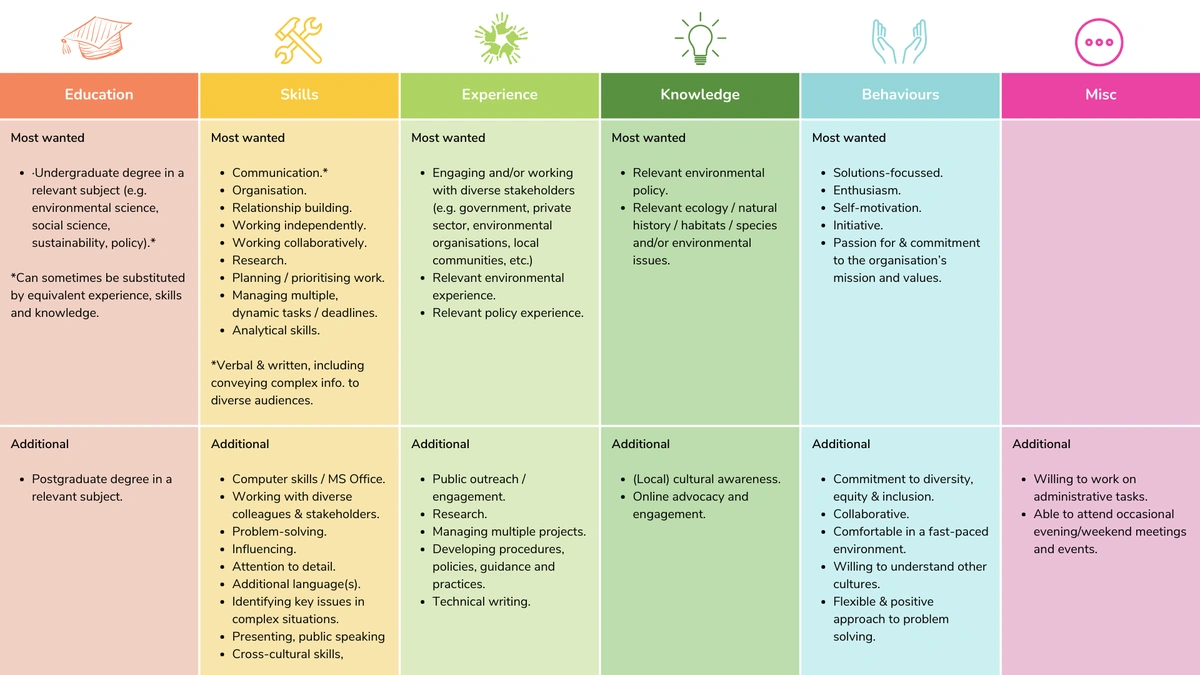
Policy jobs. Sounds important, right? Like you’re shaping the future, influencing decisions, and generally being a big deal. And they are! But here’s the thing: are these coveted roles truly accessible to all of India’s youth, or is there a hidden paradox at play? What fascinates me is, do we have a system in place that unintentionally excludes many deserving individuals?
The Policy Job Dream vs. Reality
Let’s be honest, when we picture someone in a policy-making role , what image comes to mind? Often, it’s someone with a specific educational background, perhaps from a prestigious institution. Now, there’s nothing wrong with that, of course. But what about the brilliant minds from less privileged backgrounds, those who’ve overcome significant obstacles to get where they are? Are they getting a fair shot at shaping the policies that affect their own communities? The increasing demand for policy jobs makes this question all the more relevant.
This isn’t just about fairness; it’s about effectiveness. Policies are meant to address the needs of diverse populations. If the people creating those policies come from a narrow range of backgrounds, are they truly equipped to understand and address the complex challenges facing India today?
The Skills Gap Myth and Why It Matters
You’ll often hear about a skills gap – the idea that young people simply aren’t equipped with the skills needed for high paying policy jobs . And while there might be some truth to that, I think it’s often a convenient excuse. Sure, technical skills are important, but so are critical thinking, problem-solving, and a deep understanding of real-world issues. And those skills aren’t necessarily taught in a classroom. The ability to think critically is increasingly sought after in the policy sector .
I initially thought this was straightforward, but then I realized that the ‘skills gap’ itself could be a symptom of the exclusion paradox. If educational opportunities and resources are unevenly distributed, then naturally, some young people will be at a disadvantage. It’s a self-fulfilling prophecy.
The Role of Networks and Connections
Here’s the thing about getting your foot in the door – often, it’s about who you know, not just what you know. In the Indian policy landscape , informal networks and connections can play a significant role. This can inadvertently create barriers for those who don’t have access to the same social circles. Networking is crucial, and those with access to established networks have a distinct advantage.
But – and this is a big but – this doesn’t mean it’s impossible to break through. It just means you have to be more strategic, more persistent, and more willing to put yourself out there. Attend industry events, connect with people on LinkedIn, and don’t be afraid to ask for informational interviews. Remember, every connection you make is a potential opportunity.
What Can Be Done? Creating a More Inclusive Path
So, what’s the solution? How do we ensure that policy jobs are truly accessible to all young people in India? Here are a few ideas:
- Mentorship Programs: Pair experienced policy professionals with young people from diverse backgrounds to provide guidance, support, and access to networks.
- Targeted Training Programs: Develop specialized training programs that focus on the specific skills and knowledge needed for policy roles, with scholarships and financial aid available for those from disadvantaged backgrounds.
- Blind Resume Reviews: Implement blind resume reviews to eliminate unconscious bias in the hiring process. Focus on skills and experience rather than the candidate’s background or education.
- Promote Internship Opportunities: Make sure internship opportunities are widely publicized and accessible, with stipends to cover living expenses.
According to the latest data on theWikipedia, government initiatives promoting inclusivity are slowly making a difference, but more needs to be done.
Let me rephrase that for clarity: Creating a level playing field in access to policy jobs requires a multi-pronged approach. It’s not just about ticking boxes; it’s about fundamentally changing the way we think about talent and opportunity.
And it’s not just the government that has a role to play. Private organizations, NGOs, and even individuals can contribute to creating a more inclusive ecosystem.
Don’t forget to check out the latest DA hike news to stay informed on related financial matters.
Why This Matters To India’s Future
The exclusion paradox in government policy jobs isn’t just a social justice issue; it’s an economic one. By excluding talented individuals, we’re limiting our pool of potential leaders and innovators. We’re missing out on valuable perspectives and insights that could help us solve some of our most pressing challenges. The stakes are high.
Think about it: India is a young country, with a rapidly growing population. We need creative, forward-thinking leaders who understand the needs of all segments of society. By creating a more inclusive path to policy jobs for the youth , we’re investing in our future. And it is very important to prepare for the top 10 govt jobs in Rajasthan .
I believe that the future of India depends on its youth. And by creating opportunities for them to participate in shaping our policies, we’re empowering them to build a better tomorrow. It’s not just the right thing to do; it’s the smart thing to do. The increased competition for policy advisor jobs shows it’s more crucial than ever to address this issue.
FAQ
What skills are most important for a policy job?
Critical thinking, problem-solving, communication, and a strong understanding of the relevant policy area are essential.
How can I gain experience in policy if I don’t have a formal background in the field?
Volunteer for relevant organizations, participate in policy debates, and seek out internships or entry-level positions in policy-related fields.
What if I don’t have connections in the policy world?
Attend industry events, connect with people on LinkedIn, and don’t be afraid to reach out to people for informational interviews.
Are policy jobs only for those with advanced degrees?
While advanced degrees can be helpful, they are not always required. Relevant experience and skills can often be just as valuable.
How can I make my application stand out?
Highlight your relevant skills and experience, demonstrate your passion for policy, and tailor your application to the specific requirements of the job.

Leave feedback about this