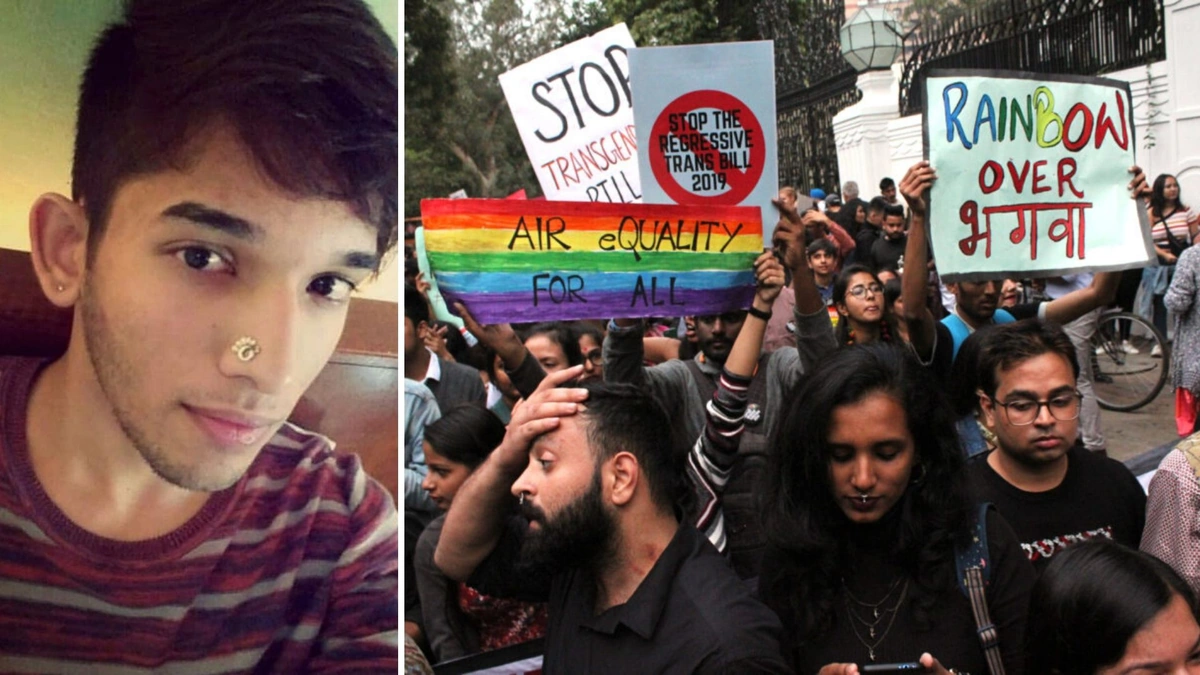
The Andhra Pradesh High Court’s recent directive mandating transgender job reservations is more than just a headline; it’s a potential earthquake shaking up the status quo. It’s a big deal, a real shift in how we, as a society, are starting to view inclusivity and equality in the workplace. But let’s be honest – announcements like these often leave us with a ton of questions. What does this really mean? How will it actually work on the ground? And, perhaps most importantly, why now?
So, ditch the usual news summaries. I’m diving deep into the ‘why’ behind this landmark decision. We’ll explore the implications, the potential challenges, and what this could mean for the future of transgender rights , not just in Andhra Pradesh, but across India.
The ‘Why’ Behind the Mandate | A Step Towards Justice
Here’s the thing: The Andhra Pradesh HC didn’t just pull this decision out of thin air. It’s the culmination of years of advocacy, legal battles, and a growing awareness of the systemic discrimination faced by the transgender community . Think about it – how many transgender individuals do you see represented in mainstream workplaces? The answer, sadly, is often ‘not enough.’
But why is this important? Well, access to employment is about more than just earning a living. It’s about dignity, self-respect, and having a place in society. When people are denied opportunities simply because of their gender identity, it creates a cycle of poverty and marginalization. And let’s be real, that’s not the kind of India we want to build, is it? This ruling addresses a fundamental injustice and aims to create a more level playing field. The court recognized this and acted accordingly.
The 6-month deadline for implementation is key too. It puts pressure on the state government to act swiftly and decisively. No more delays, no more excuses. It’s time for real change.
How Will This Work? Untangling the Implementation Challenges
Okay, so the court has spoken, but how does this translate into actual jobs? That’s the million-dollar question, isn’t it? The devil, as they say, is in the details. One of the initial hurdles is defining what constitutes transgender job reservations in practical terms. Will there be a specific percentage of jobs reserved across all government departments and public sector undertakings? Or will it be targeted at specific roles and industries?
And then there’s the issue of enforcement. How will the government ensure that employers actually comply with the mandate? Will there be penalties for non-compliance? What mechanisms will be put in place to monitor progress and address grievances? These are all crucial questions that need to be answered.
Another challenge lies in creating a truly inclusive workplace culture. Simply reserving jobs isn’t enough. Employers need to invest in training and sensitization programs to create an environment where transgender employees feel welcomed, respected, and valued. This includes addressing issues like workplace harassment, discrimination, and lack of access to basic amenities.
Beyond Andhra Pradesh | A Ripple Effect Across India?
What fascinates me is the potential for this decision to set a precedent for other states. If Andhra Pradesh can successfully implement affirmative action for transgender individuals , it could inspire other states to follow suit. We might see a domino effect, leading to a nationwide movement for transgender rights in employment .
But it’s not just about government jobs. This ruling could also influence the private sector. Companies may feel pressure to adopt more inclusive hiring practices, not just to comply with the law, but also to enhance their reputation and attract a more diverse talent pool. That’s a win-win for everyone.
Of course, there will be resistance. Some may argue that reservations are discriminatory or that they compromise meritocracy. But these arguments often ignore the historical and ongoing disadvantages faced by marginalized communities. Social justice demands that we actively address these inequalities.
Addressing Common Concerns and Misconceptions
Let’s be honest; there’s still a lot of misinformation and prejudice surrounding transgender issues. Some people may worry that job quotas will lead to unqualified candidates being hired. But that’s simply not the case. The goal is to create opportunities for qualified transgender individuals who have been unfairly excluded from the workforce. It’s about giving everyone a fair shot. And it’s about recognizing the valuable skills and perspectives that transgender employees can bring to the table.
Another misconception is that transgender employment is somehow a special favor. But it’s not. It’s about basic human rights. Everyone deserves the chance to earn a living and contribute to society, regardless of their gender identity. It’s about creating a society where everyone feels valued and respected.
The Bottom Line | A Reason for Hope, But Challenges Remain
The Andhra Pradesh High Court’s decision is a significant step forward for LGBTQ+ rights in India. It’s a reason for hope, a sign that our legal system is starting to recognize the importance of inclusivity and equality. But it’s not the end of the road. There are still many challenges ahead. Implementation will be key. And we need to continue working to change hearts and minds, to create a society where transgender individuals are not just tolerated but celebrated. This ruling is an important piece of the puzzle, but it’s up to all of us to make sure it leads to real and lasting change. You see, the transgender community is more than capable of doing the job; they need only the chance. And that chance is what this ruling could provide.
FAQ Section
Frequently Asked Questions
What exactly does this job reservation mean for transgender individuals in Andhra Pradesh?
It means that a certain percentage of government jobs in Andhra Pradesh will now be reserved specifically for qualified transgender candidates, aiming to address historical underrepresentation.
How will the Andhra Pradesh government implement this reservation policy?
The specifics are still being worked out, but the government has six months to create and put in place guidelines and mechanisms for implementing the reservation policy.
Will this reservation affect other categories, like OBC or SC/ST?
The details of how this reservation will interact with existing reservation policies are still unclear and will likely be outlined in the government’s implementation guidelines.
What if a transgender person is already employed in a government job?
This ruling primarily focuses on creating new opportunities. The impact on those already employed will depend on the specific guidelines developed.
Where can transgender individuals find more information about these job opportunities?
Keep an eye on the Andhra Pradesh government’s official website and employment portals for announcements and details as the implementation plan unfolds.
Is there a chance the decision will be challenged in court?
Like any major policy decision, there is always a possibility of legal challenges. However, the court’s strong stance suggests it would likely defend its ruling.




Leave feedback about this