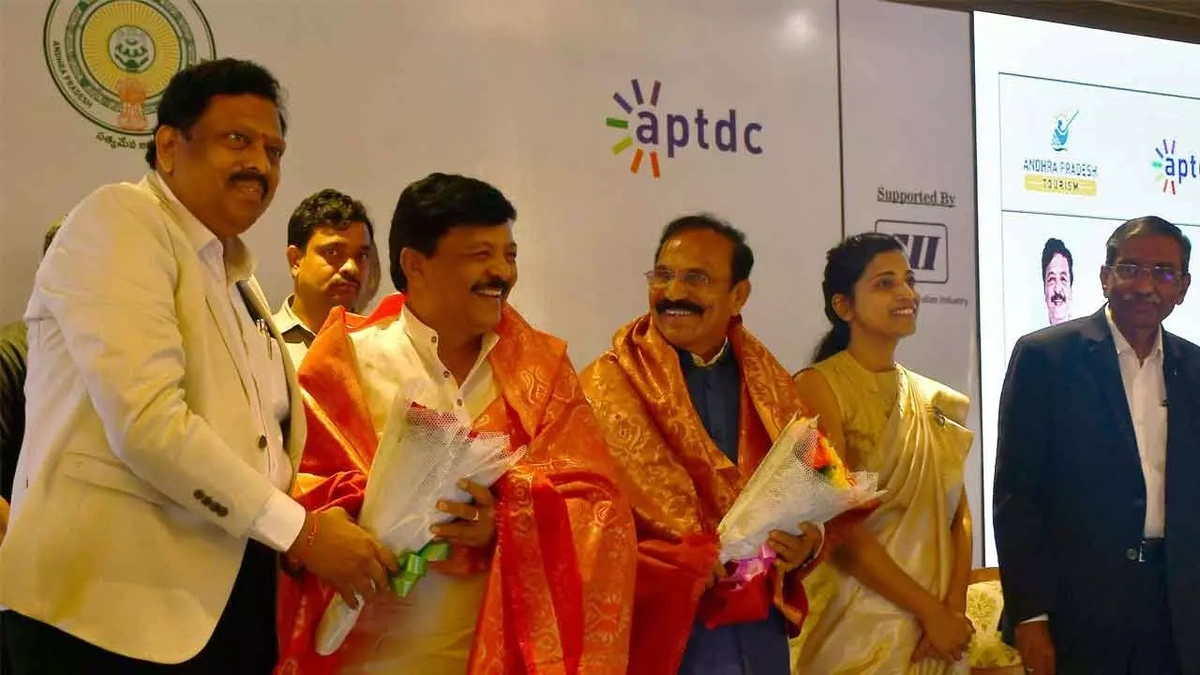
Andhra Pradesh is about to witness a significant boost in its tourism sector, thanks to a massive Andhra Pradesh Tourism Investment of INR 170 billion. It’s not just about the money; it’s about the potential to create 100,000 jobs, with a special focus on coastal tourism and Meetings, Incentives, Conferences, and Exhibitions (MICE) infrastructure. But here’s the thing: investments alone don’t guarantee success. So, let’s explore what this investment really means for the state, its people, and the future of tourism in India. I mean, is this just another headline, or is something genuinely transformative brewing in Andhra Pradesh?
Why This Investment Matters | Beyond the Numbers
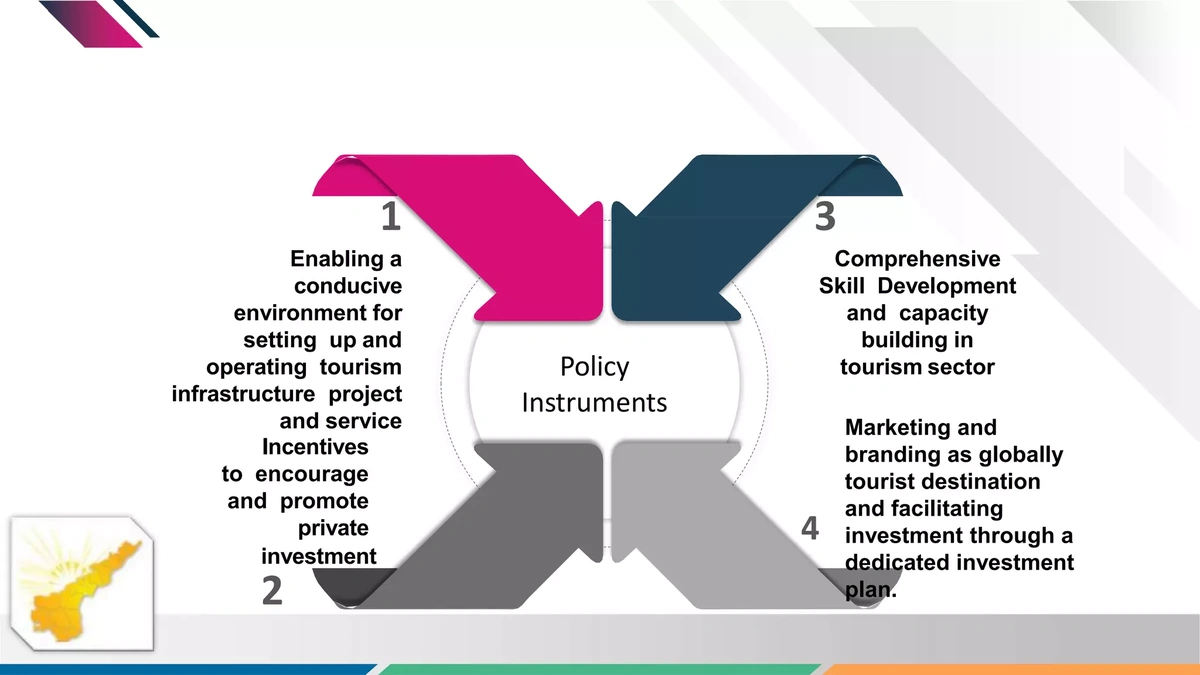
Let’s be honest, massive investment numbers often glaze over the real story. Sure, INR 170 billion sounds impressive, and the promise of 100,000 jobs is enticing. But it’s crucial to understand why this investment is happening now. Andhra Pradesh, with its extensive coastline and rich cultural heritage, has always had untapped tourism potential. This investment is strategically aimed at unlocking that potential, making Andhra Pradesh a prominent player in the Indian tourism landscape. A key focus is on coastal tourism, which is smart, given the state’s beautiful beaches and the growing demand for seaside experiences. The state also has a growing need to be ready for MICE events with updated infrastructure. But, you might be thinking, what makes this any different from past attempts to boost tourism? Well, the devil is in the details – and the execution.
Consider the ripple effect. More tourists mean more revenue for local businesses – from hotels and restaurants to souvenir shops and transport services. It also encourages the development of related industries, such as hospitality training and eco-tourism initiatives. This is where the real magic happens, creating a sustainable tourism ecosystem that benefits everyone involved. The focus on MICE infrastructure is particularly interesting. MICE tourism is a high-yield segment, attracting business travelers who spend more and contribute significantly to the local economy. By developing state-of-the-art convention centers and meeting facilities, Andhra Pradesh can position itself as a premier destination for national and international events.
Coastal Tourism | Riding the Wave to Success
Coastal tourism development is clearly a centerpiece of this investment strategy. Andhra Pradesh boasts a long and diverse coastline, offering everything from serene beaches to bustling fishing harbors. The plan likely involves upgrading existing resorts, developing new beachfront properties, and improving infrastructure like roads, water supply, and waste management. But here’s where it gets interesting: sustainability. It’s not enough to just build resorts; they need to be eco-friendly and designed to minimize their environmental impact. Think solar power, rainwater harvesting, and responsible waste disposal. The goal should be to create a model for sustainable coastal tourism that can be replicated elsewhere in India.
The other thing to remember is this investment is an attempt to boost employment opportunities in the state. Imagine renovated beaches, improved resorts, and new eco-tourism initiatives. All these things mean jobs for local youth. In addition to construction jobs during the initial phases, there will be ongoing needs for hospitality staff, tour guides, and skilled workers in various related industries. The key, however, is to ensure that these jobs are accessible to the local population and that they offer fair wages and opportunities for advancement. Skill development programs and vocational training will be crucial in preparing the workforce for the demands of the tourism sector.
MICE Infrastructure | Positioning Andhra Pradesh on the Global Stage
What fascinates me is the focus on MICE (Meetings, Incentives, Conferences, and Exhibitions) infrastructure. This is a smart move. As the name suggests MICE related tourism infrastructure projects bring business travelers who spend more money than your average tourist. Andhra Pradesh is looking to be a spot for business by building fancy conference centers and meeting facilities. Imagine large, state-of-the-art convention centers equipped with the latest technology, capable of hosting international conferences and exhibitions. Think world-class hotels with dedicated meeting spaces, catering to the needs of business travelers. This not only generates revenue but also enhances the state’s image as a business-friendly destination.
However, the competition in the MICE sector is fierce. To succeed, Andhra Pradesh needs to offer something unique – a combination of excellent facilities, seamless logistics, and memorable experiences. This could involve leveraging the state’s cultural heritage, promoting local cuisine, and offering unique excursions that showcase the region’s natural beauty. Success also hinges on effective marketing and promotion. Andhra Pradesh needs to actively target event organizers and businesses, showcasing its capabilities and highlighting its advantages over competing destinations.
Challenges and the Road Ahead
Let’s be real – this investment isn’t a guaranteed success. There are challenges ahead. Land acquisition, environmental clearances, and infrastructure development can all be time-consuming and complex. Coordination between different government agencies and private stakeholders is essential to ensure smooth implementation. More importantly, the tourism sector’s economic impact hinges on addressing the needs and concerns of local communities. Displacement of residents, disruption of traditional livelihoods, and environmental damage can all lead to resentment and resistance. It is important to seek the inclusion and collaboration of all stakeholders.
Transparency and accountability are also crucial. The public needs to be informed about the progress of the projects, the benefits they are expected to generate, and the measures being taken to mitigate any negative impacts. Regular audits and evaluations can help to ensure that the investment is being used effectively and that the intended outcomes are being achieved. Investing wiselyand managing resources well is key to long-term success.
The INR 170 billion tourism investment in Andhra Pradesh is a bold move with the potential to transform the state’s economy and create significant employment opportunities . But it requires careful planning, effective execution, and a genuine commitment to sustainability and inclusivity. Only timewill tell if Andhra Pradesh can successfully ride this wave of investment to become a premier tourism destination.
FAQ About Andhra Pradesh Tourism Investment
What exactly will the INR 170 billion investment be used for?
The investment will primarily focus on developing coastal tourism infrastructure, including resorts, beaches, and related amenities. A significant portion will also be allocated to building MICE (Meetings, Incentives, Conferences, and Exhibitions) infrastructure, such as convention centers and meeting facilities.
How will this investment create 100,000 jobs?
The creation of jobs will be across various sectors, including hospitality, transportation, construction, and related services. New resorts, hotels, and convention centers will require staff, while the development of infrastructure will generate construction jobs. Additionally, increased tourism activity will boost local businesses, leading to further employment opportunities.
What measures are being taken to ensure sustainable tourism development?
Sustainable tourism practices will be incorporated into the development plans. This includes using eco-friendly materials, implementing waste management systems, promoting responsible tourism behavior, and minimizing the environmental impact of tourism activities.
How will local communities benefit from this investment?
Local communities will benefit through job creation, increased business opportunities, and improved infrastructure. The development plans aim to involve local communities in the tourism sector, promoting local culture, and providing skill development programs to enhance their employability.
What are the key challenges in implementing this project?
Challenges may include land acquisition, environmental clearances, infrastructure development, and coordination between various stakeholders. Effective planning, transparent communication, and community engagement are essential to overcome these challenges.
Where can I find more information about these projects?
For the most up-to-date and official information, refer to the Andhra Pradesh Tourism Department’s website or contact their offices directly. You can also find related news and announcements on official government portals.



Leave feedback about this